 Phật Giáo VNS
Đà Quận Pagoda
Viên Minh Pagoda · Đà Quận heritage complex
Cao Bằng
Swipe or use the arrows to browse photos. Tap a photo to view it in full.
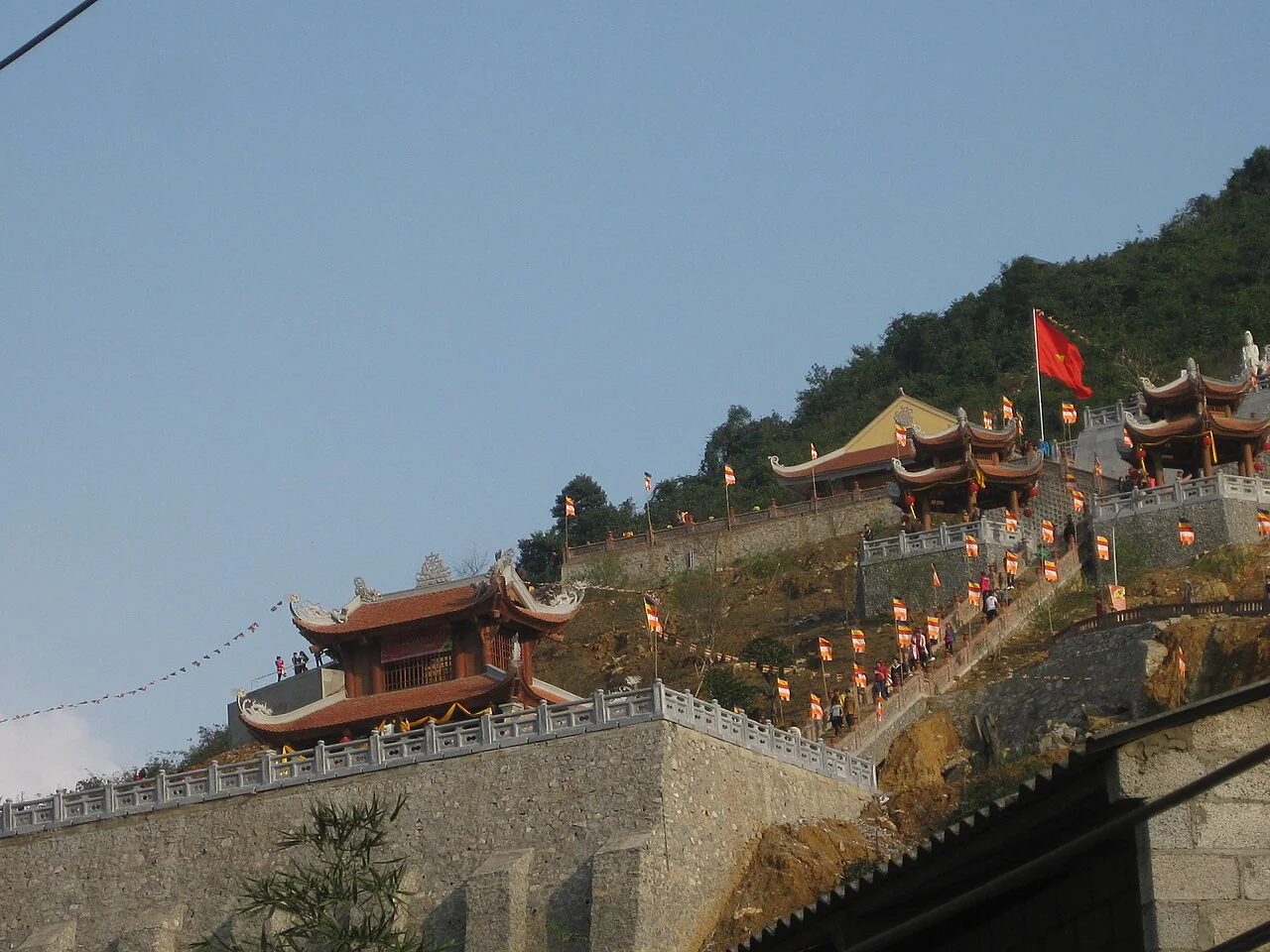
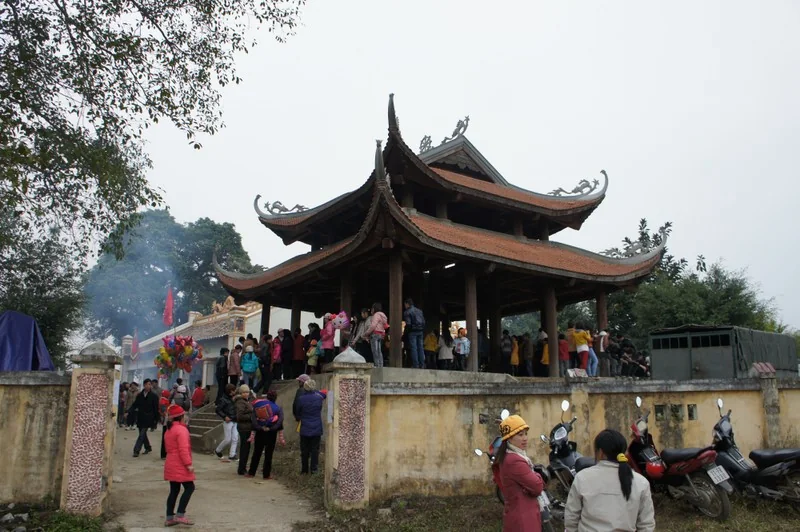
Viên Minh Pagoda’s grounds, also known as Đà Quận.
About
Viên Minh Pagoda belongs to the Đà Quận heritage complex together with Quan Triều Temple. The site is noted for a pair of ancient bells recognised as national treasures, making it a destination for learning about Buddhism and bronze casting in the Cao Bằng region.
Visitor information
- Founded
- Traditionally said to date from the Lý dynasty; restored under the Mạc dynasty.
- Visiting hours
- Please ask the temple about visiting hours and its daily practice schedule before coming.
- Fees
- Please follow the guidance and posted prices at the destination; services provided outside the temple may be charged separately.
- Address
- Khu vực Đà Quận, Hưng Đạo cũ, phường Thục Phán, tỉnh Cao Bằng.
The Buddhist pagoda and the shrine are separate elements within the same complex. Read the names of individual buildings to identify their objects correctly. Do not ring the ancient bells, touch their decoration or place objects on heritage plinths without permission; ask a caretaker where to view them.
Highlights
- The Viên Minh bell bears an inscription dated 1611.
- The pair of bells from Viên Minh Pagoda and Quan Triều Temple were recognised as national treasures in 2016.
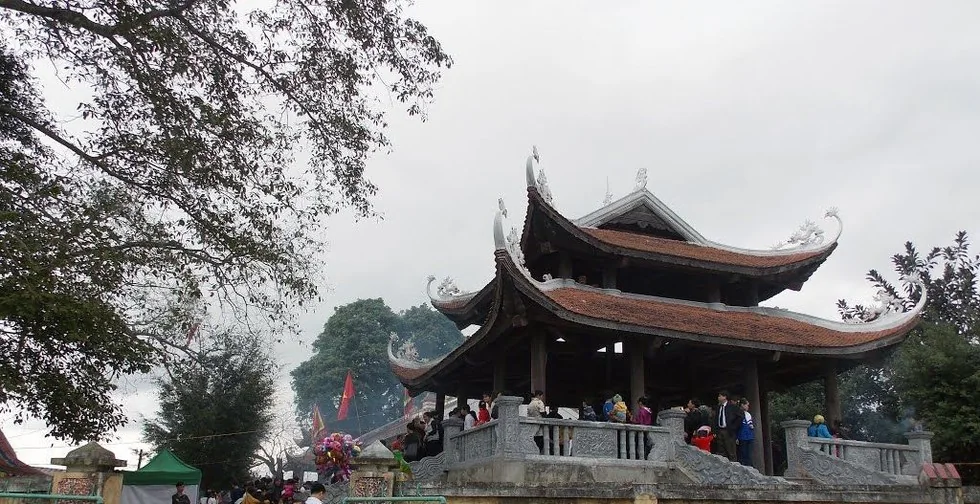
- The bell pavilion was restored and inaugurated in April 2025 (4/2025).
History and origins
Materials from the University of Social Sciences and Humanities record a tradition that the temple dates from the Lý dynasty and was later restored by the Mạc dynasty in the late 16th century. As there is no agreed conclusion about its foundation date, the Lý-period origin is presented as a traditional account.
The date that can be read directly on the Viên Minh bell is 1611. Restoration of the building protecting the two bells began in 2024, and it was inaugurated on 26/4/2025.
Architecture & surroundings
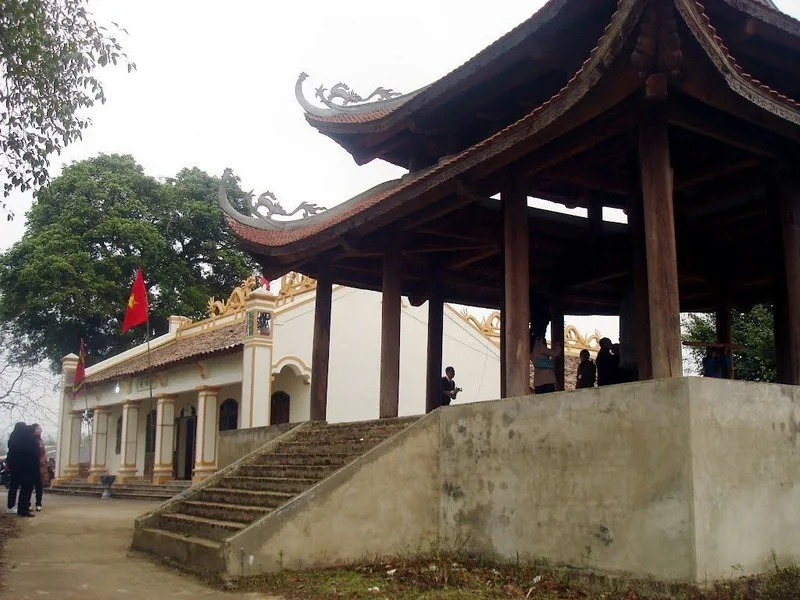
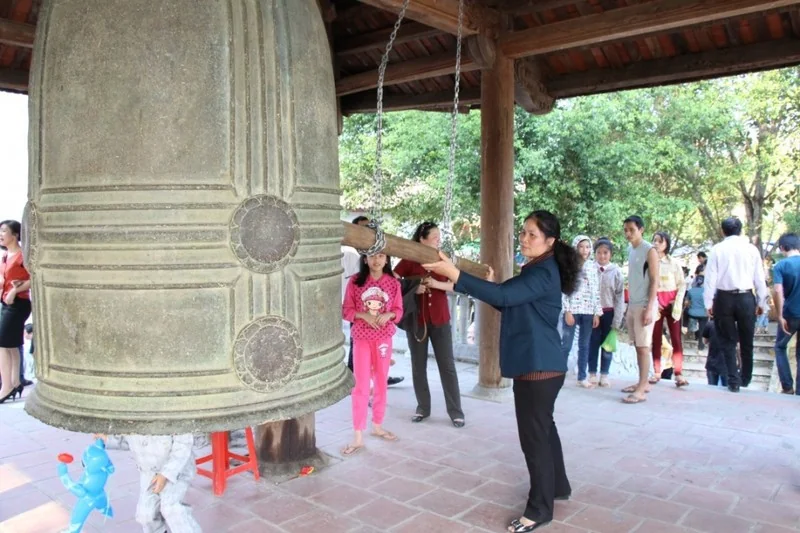
The complex includes the Buddhist pagoda, the shrine and the space protecting the bells. The bells have decorative borders, lotus-petal-shaped striking bosses and dragon-shaped suspension handles. One bears a Chinese inscription, while the other has no writing; these differences help visitors recognise them as two distinct objects rather than identical copies.
Cultural value
The bells provide evidence of bronze-casting techniques, writing and the restoration history of religious sites in Cao Bằng. Preserving both Viên Minh Pagoda and Quan Triều Temple reflects the connection between belief, local memory and community life.
Events & festivals
Incense offerings and cultural activities at the complex are arranged by local authorities and the religious sites. Please ask for specific dates before visiting; the bell pavilion’s 2025 inauguration was a past event, not an annual festival schedule.
References & photo sources
Information checked: 2026-10-20. Documentary photographs may differ from current conditions.
Photo 1. Viên Minh Pagoda’s grounds, also known as Đà Quận.
ngaynay.vn · Original photo · Documentary photo from the cited source; copyright belongs to its owner.
Resized and converted to WebP without altering the image content.
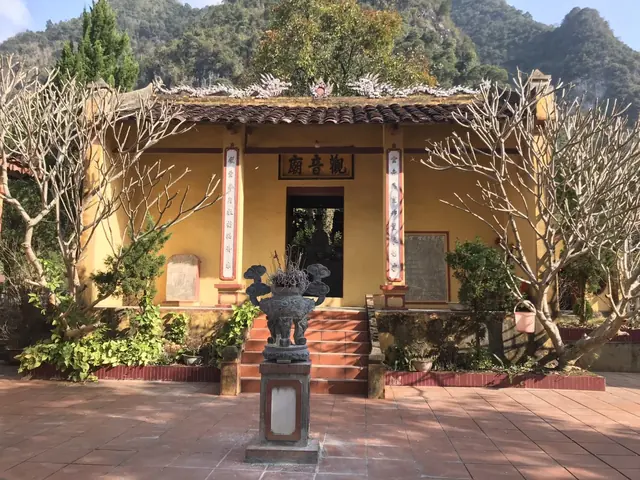
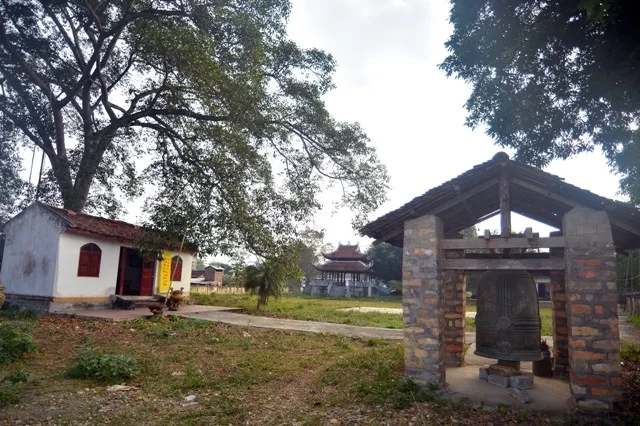
Photo 2. A view of the architecture and temple courtyard.
ngaynay.vn · Original photo · Documentary photo from the cited source; copyright belongs to its owner.
Resized and converted to WebP without altering the image content.
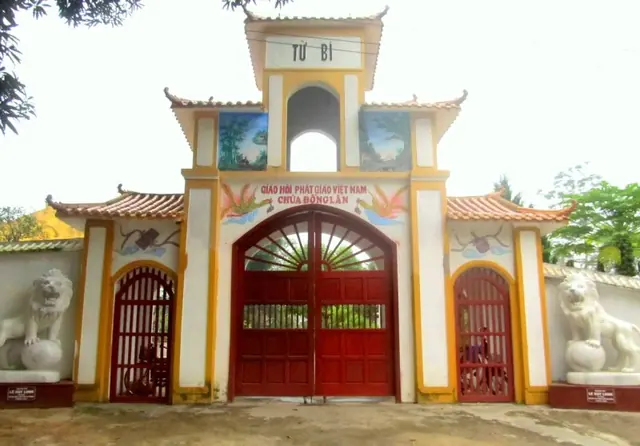
Photo 3. Visitors paying respects at the temple in an archival photograph.
ngaynay.vn · Original photo · Documentary photo from the cited source; copyright belongs to its owner.
Resized and converted to WebP without altering the image content.
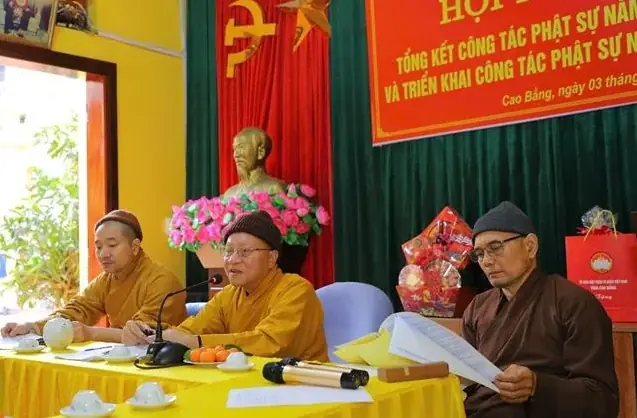
Photo 4. The grounds and bell tower in an archival photograph.
ngaynay.vn · Original photo · Documentary photo from the cited source; copyright belongs to its owner.
Resized and converted to WebP without altering the image content.
Photo 5. The ancient bell at Đà Quận Pagoda.
ngaynay.vn · Original photo · Documentary photo from the cited source; copyright belongs to its owner.
Resized and converted to WebP without altering the image content.