 Phật Giáo VNS
Tây Phương Temple
Sùng Phúc Temple
Hà Nội
Swipe or use the arrows to browse photos. Tap a photo to view it in full.
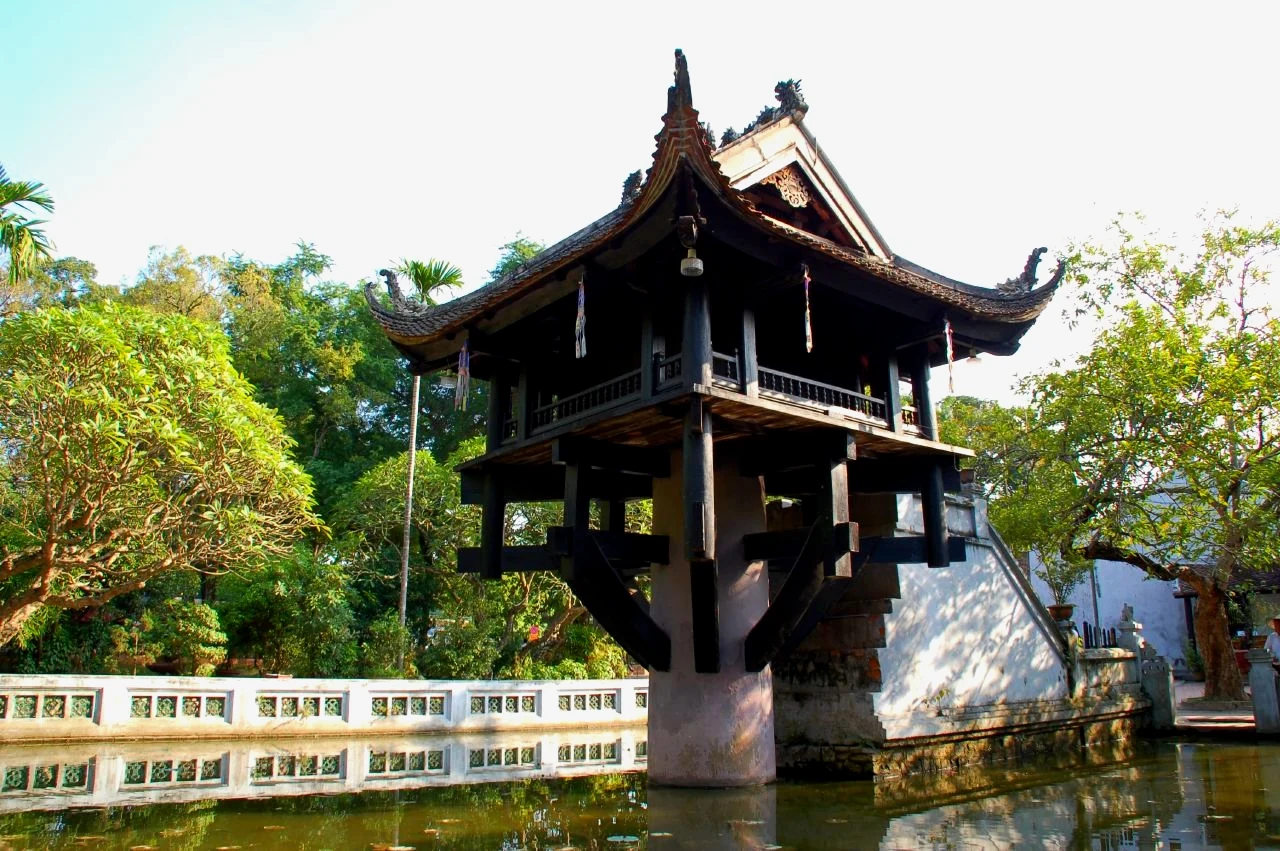
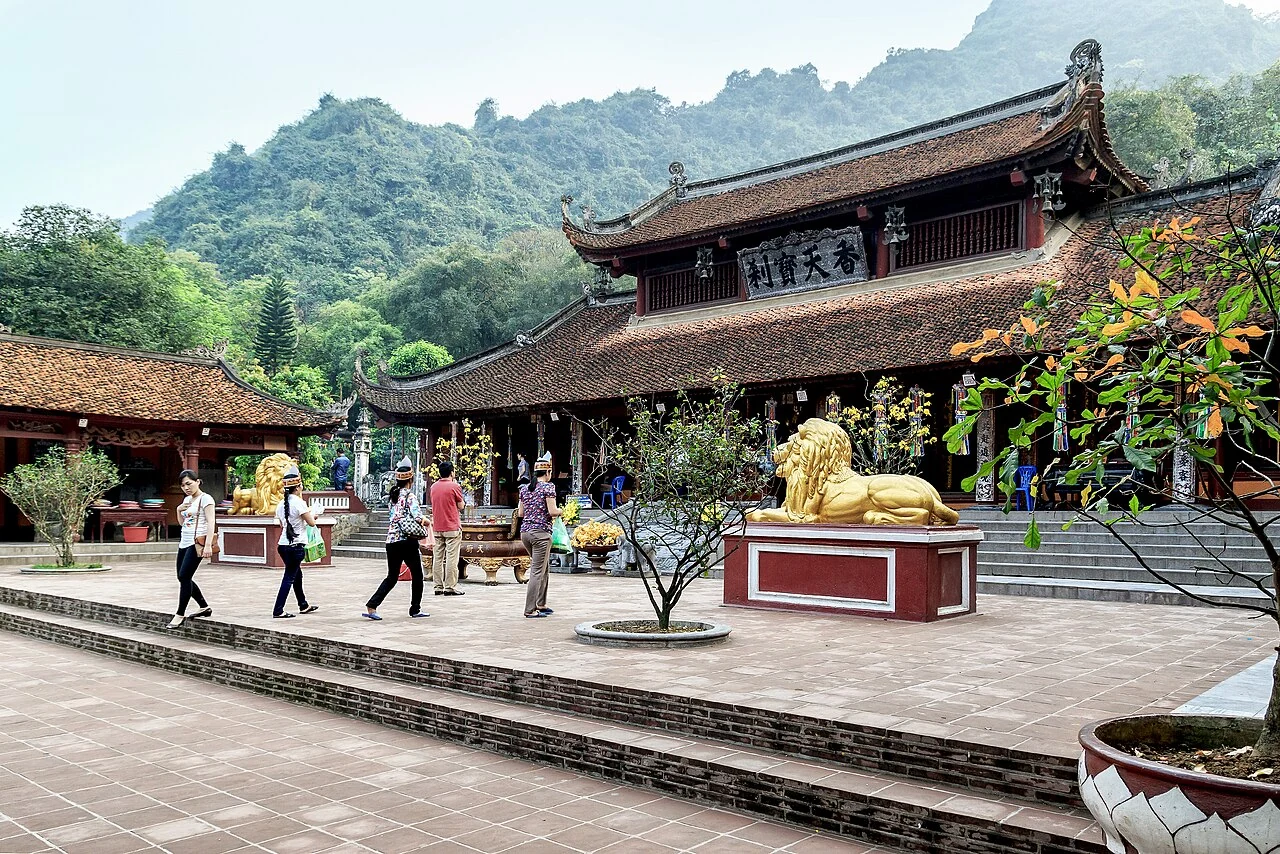
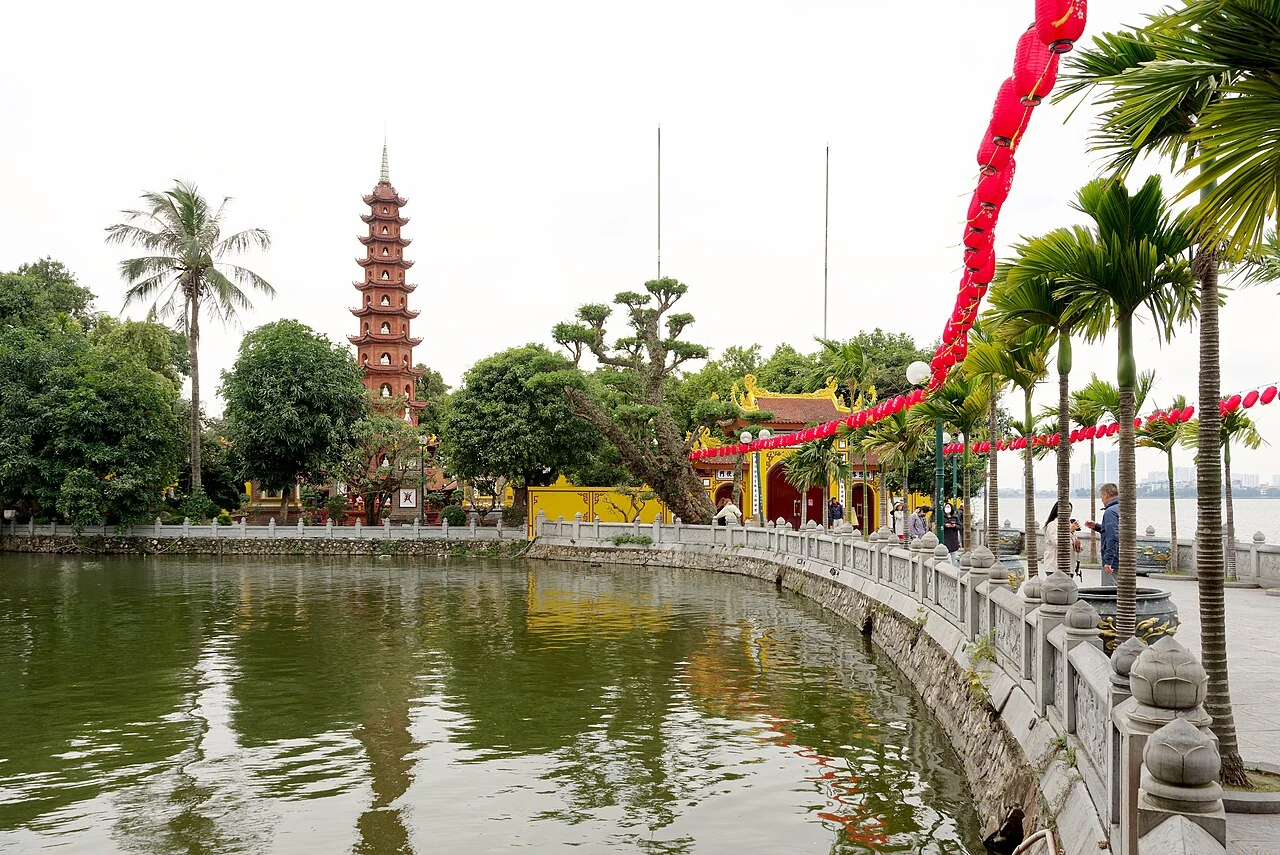
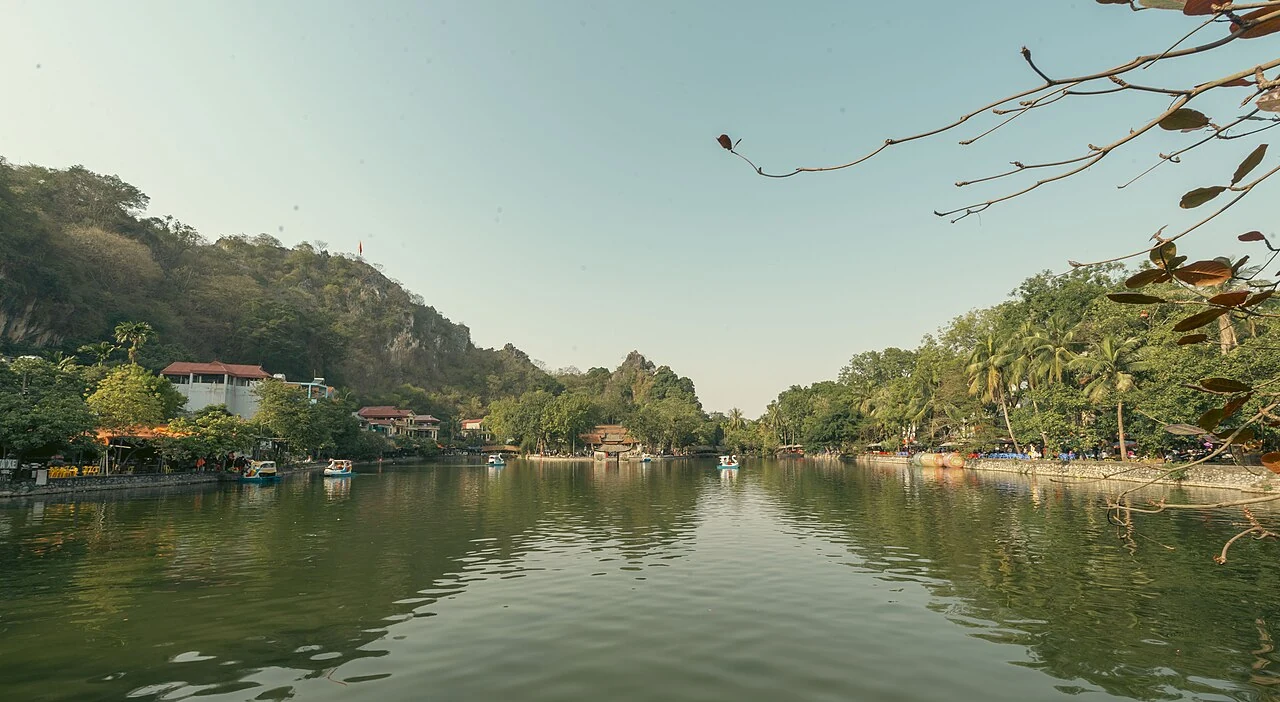
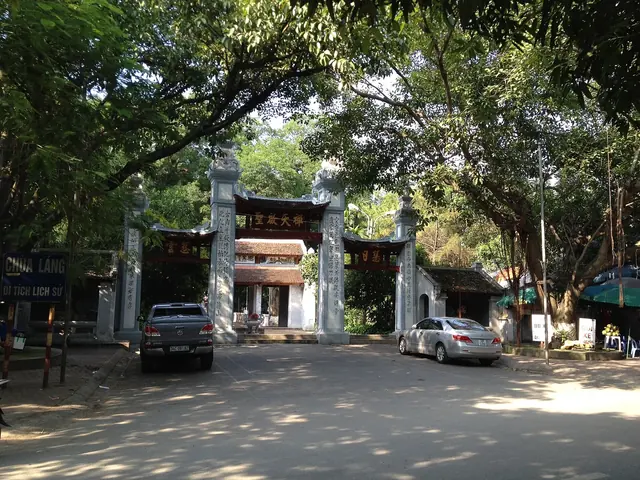
Documentary photo of Tây Phương Temple. The surroundings may have changed since the photo was taken.
About
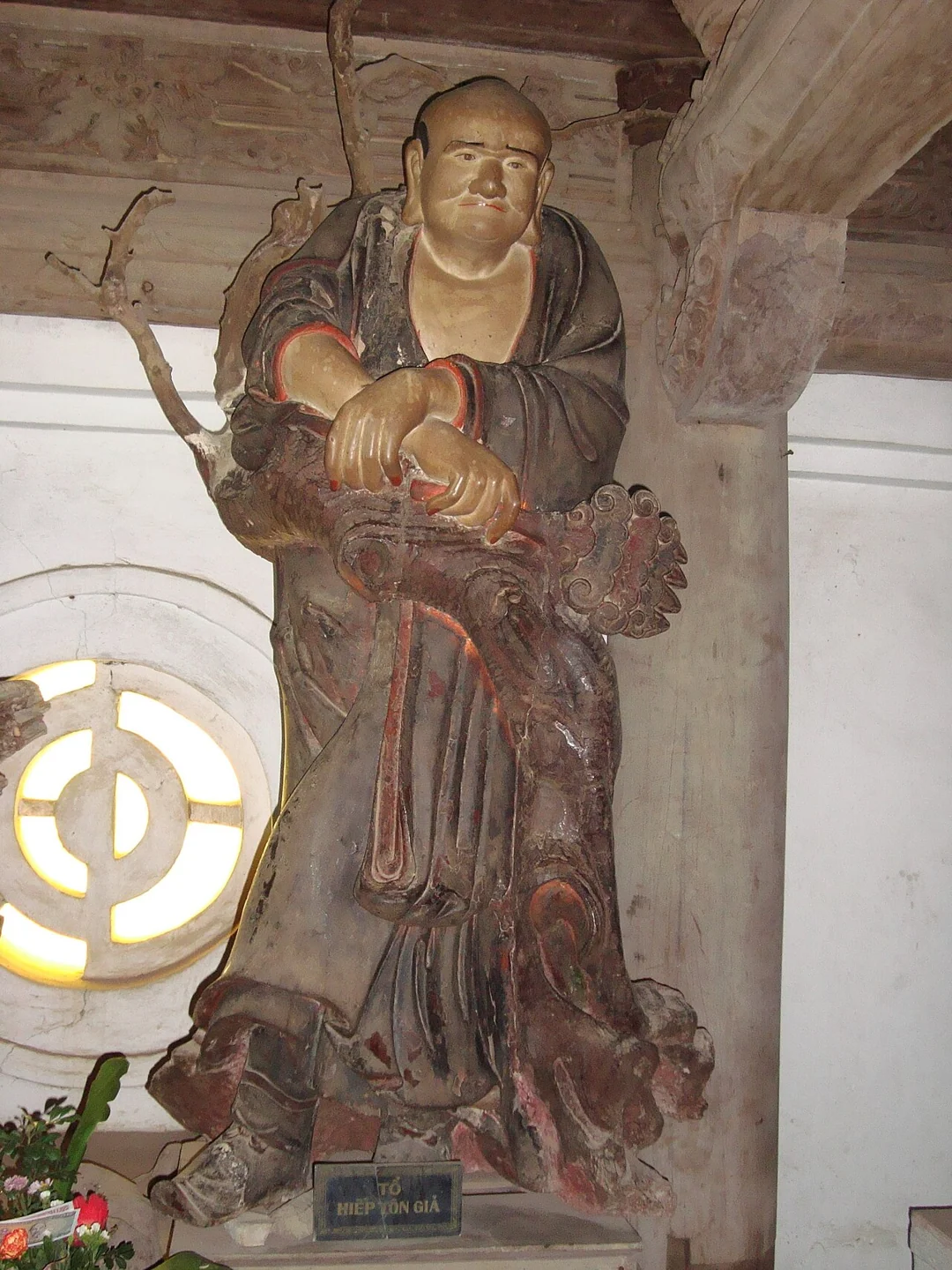
Tây Phương stands on Câu Lậu Mountain and is known for its timber architecture and deeply expressive statues. Viewing them is also a way to explore Vietnamese art.
Visitor information
- Founded
- An ancient temple restored many times
- Visiting hours
- Fixed opening hours have not been confirmed. Please ask the temple.
- Fees
- Check the notices at the destination; the current fee schedule has not been confirmed.
- Address
- Núi Câu Lậu, khu vực Thạch Thất, Hà Nội
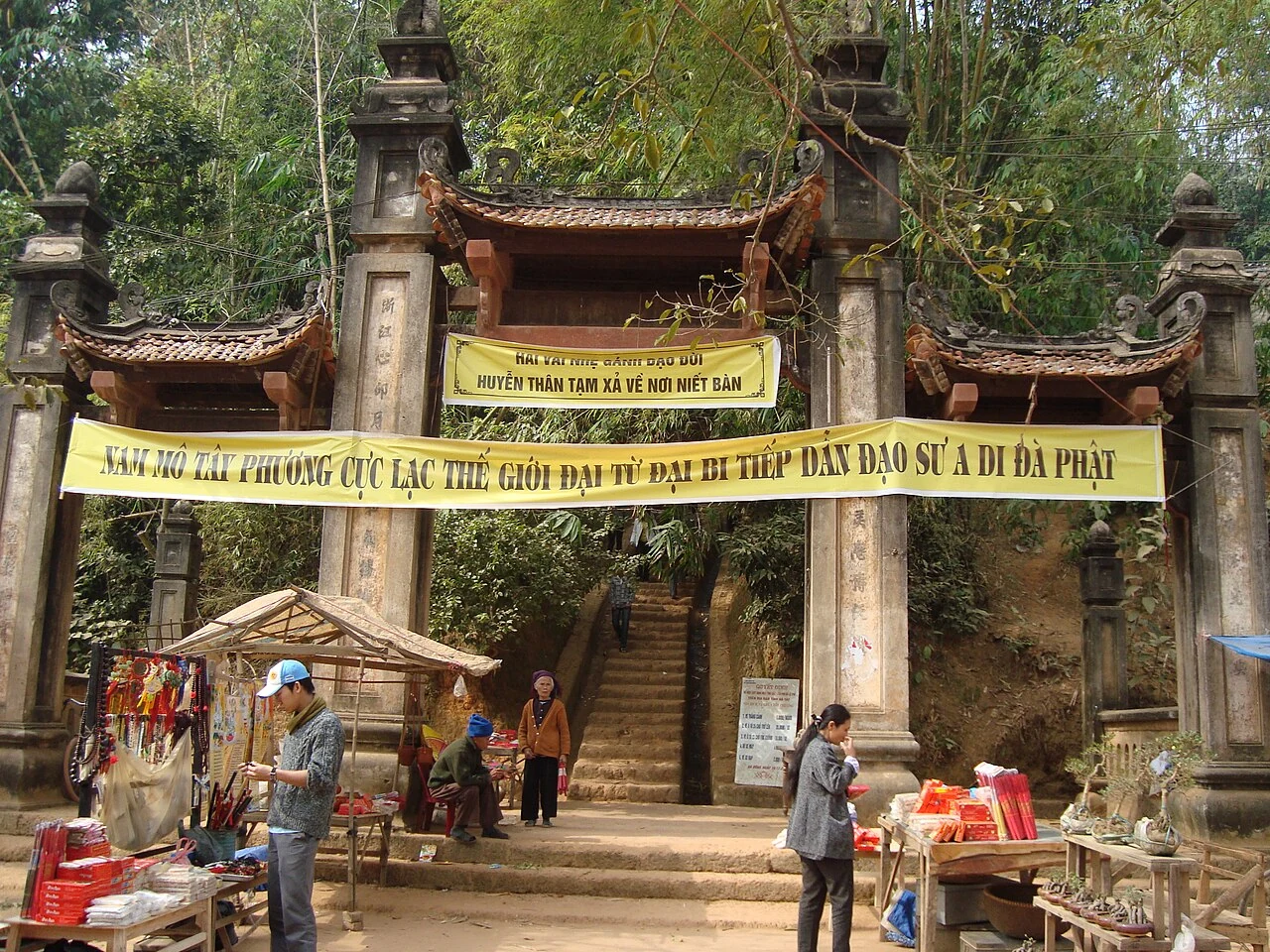
Stone steps lead uphill; walk slowly in wet weather. Keep a respectful distance from statues inside the halls and do not use flash unless permission has been given.
Highlights
- Three temple buildings on the mountaintop
- An outstanding collection of wooden statues
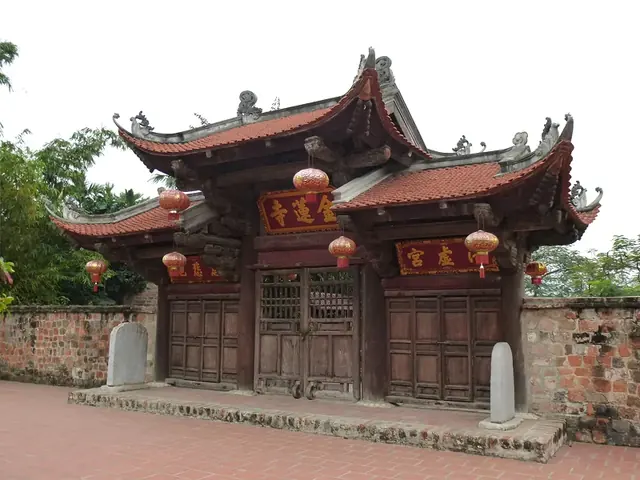
- Traditional carving and curved rooflines
History and origins
The heritage record notes repairs in the 16th and 17th centuries and in later periods. The celebrated statue collection reflects 18th-century art; not every statue or structural component should be assumed to have the same age.
Architecture & surroundings
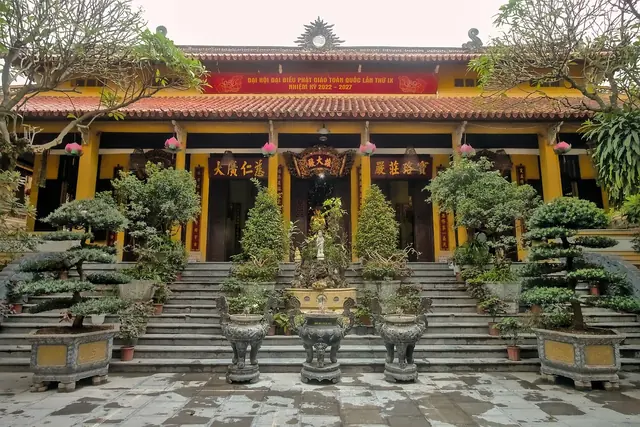
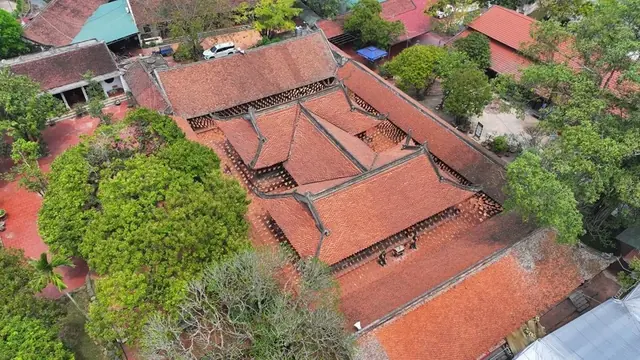
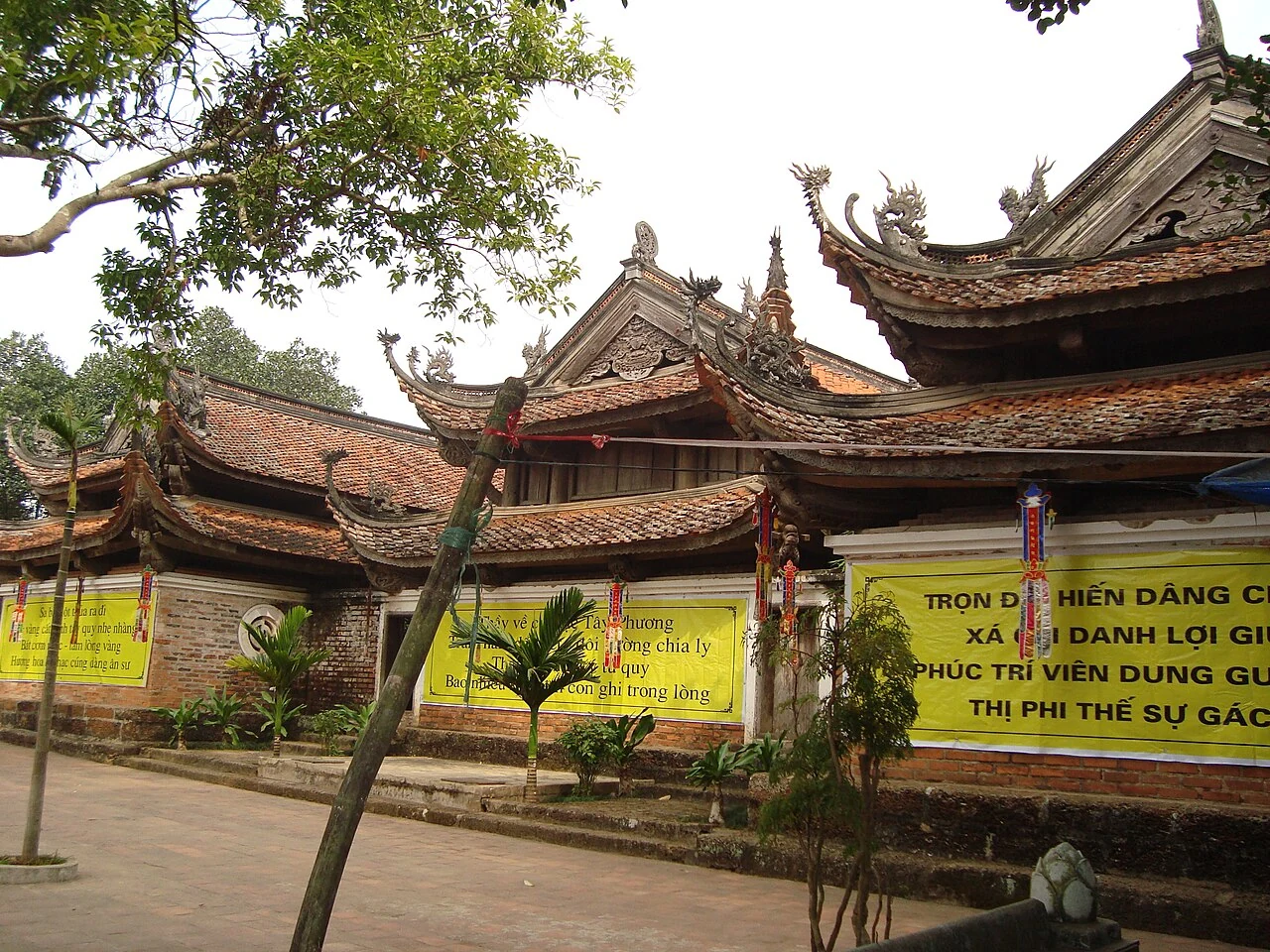
Three halls stand parallel to one another, with layered roofs and upturned corners. Columns, trusses and carvings connect the architecture with the sacred images.
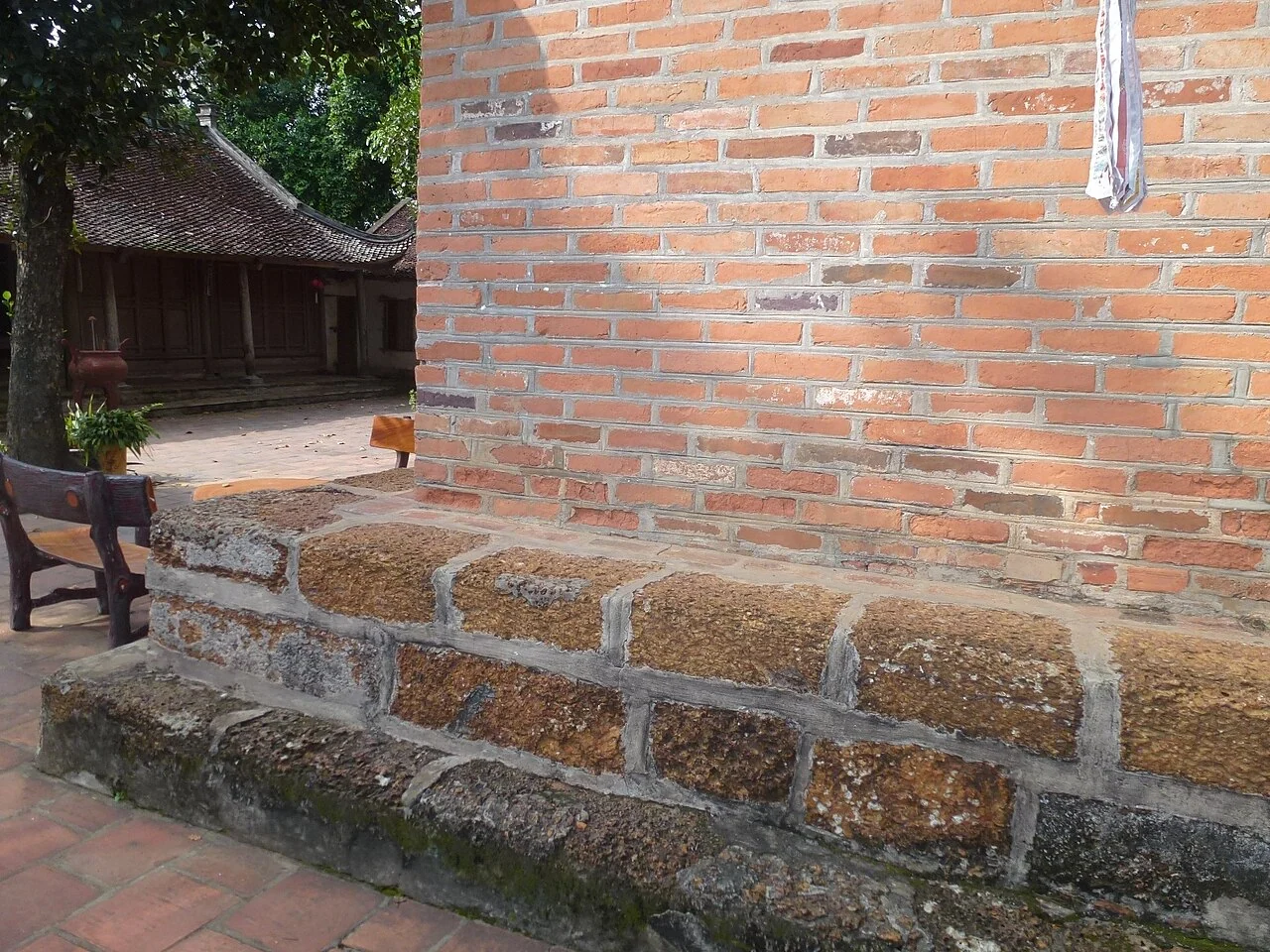
The principal halls stand at the summit, with timber frames, tiled roofs and curved roof corners. Laterite in the foundations and steps creates a warm brown contrast with dark timber; view both the complete roofscape and individual statues within the halls.
Cultural value
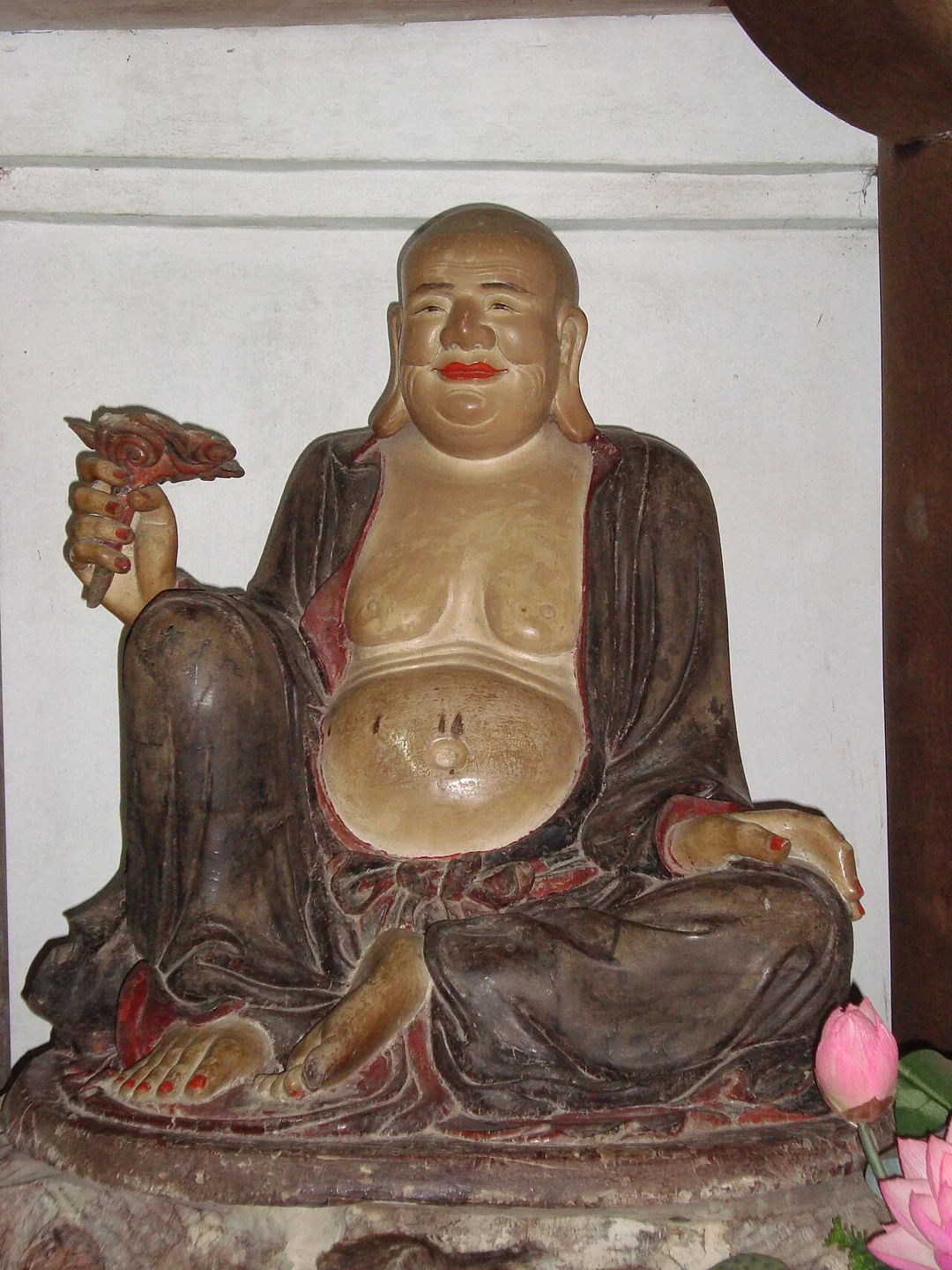
The statues of Tây Phương display a wide range of faces, postures and emotions. The collection is recognised as a national treasure and has value for religious and artistic research.
Expressive faces, gestures and robe folds distinguish the sculptures. Their artistic qualities should be appreciated within their worship setting. Some introductions collectively call them arhats, but identifying each individual statue requires specialist research.
Events & festivals
Temple festivals and religious activities follow the local calendar. Check each year’s announcements if you wish to attend a particular ceremony.
References & photo sources
Information checked: 2026-10-20. Documentary photographs may differ from current conditions.
Photo 1. Documentary photo of Tây Phương Temple. The surroundings may have changed since the photo was taken.
Liftold at Vietnamese Wikipedia · Original photo · CC BY-SA 3.0
Resized and converted to WebP without altering the image content.
Photo 2. Documentary photo of Tây Phương Temple. The surroundings may have changed since the photo was taken.
Original uploader was Liftold at vi.wikipedia · Original photo · CC BY-SA 3.0
Resized and converted to WebP without altering the image content.
Photo 3. Documentary photo of Tây Phương Temple. The surroundings may have changed since the photo was taken.
Liftold at Vietnamese Wikipedia · Original photo · CC BY-SA 3.0
Resized and converted to WebP, preserving the original composition.
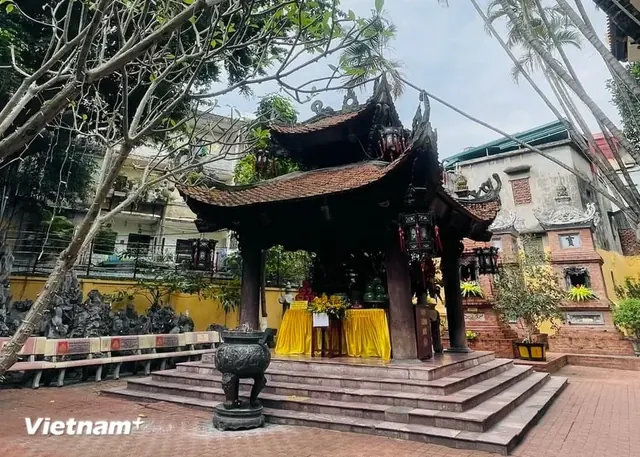
Photo 4. Documentary photo of Tây Phương Temple. The surroundings may have changed since the photo was taken.
Original uploader was Liftold at vi.wikipedia · Original photo · CC BY-SA 3.0
Resized and converted to WebP, preserving the original composition.
Photo 5. Documentary photo of Tây Phương Temple. The surroundings may have changed since the photo was taken.
Hungda · Original photo · CC0
Resized and converted to WebP, preserving the original composition.