 Phật Giáo VNS
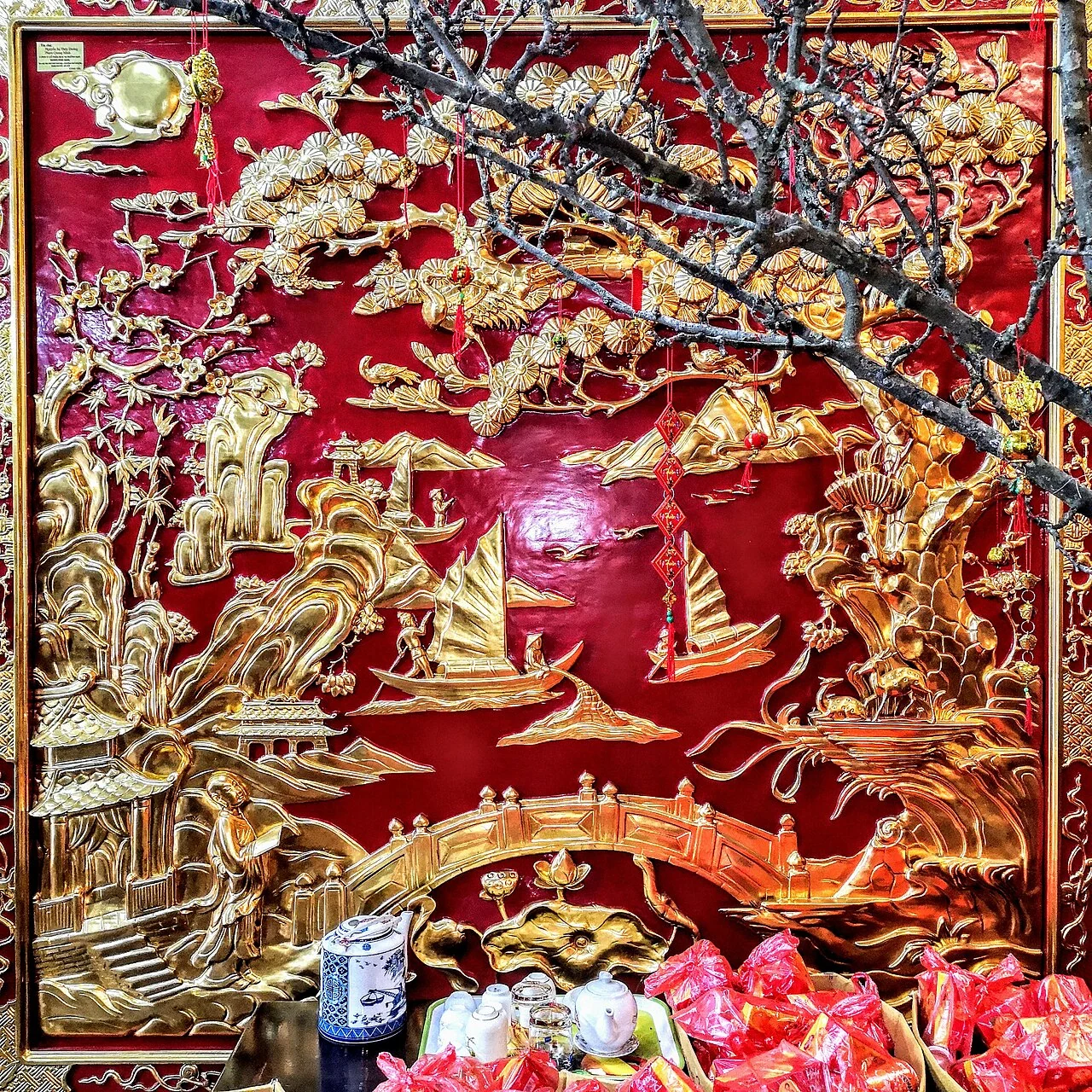
One Pillar Temple (Chùa Một Cột)
Liên Hoa Đài · Diên Hựu Temple
Hà Nội
Swipe or use the arrows to browse photos. Tap a photo to view it in full.
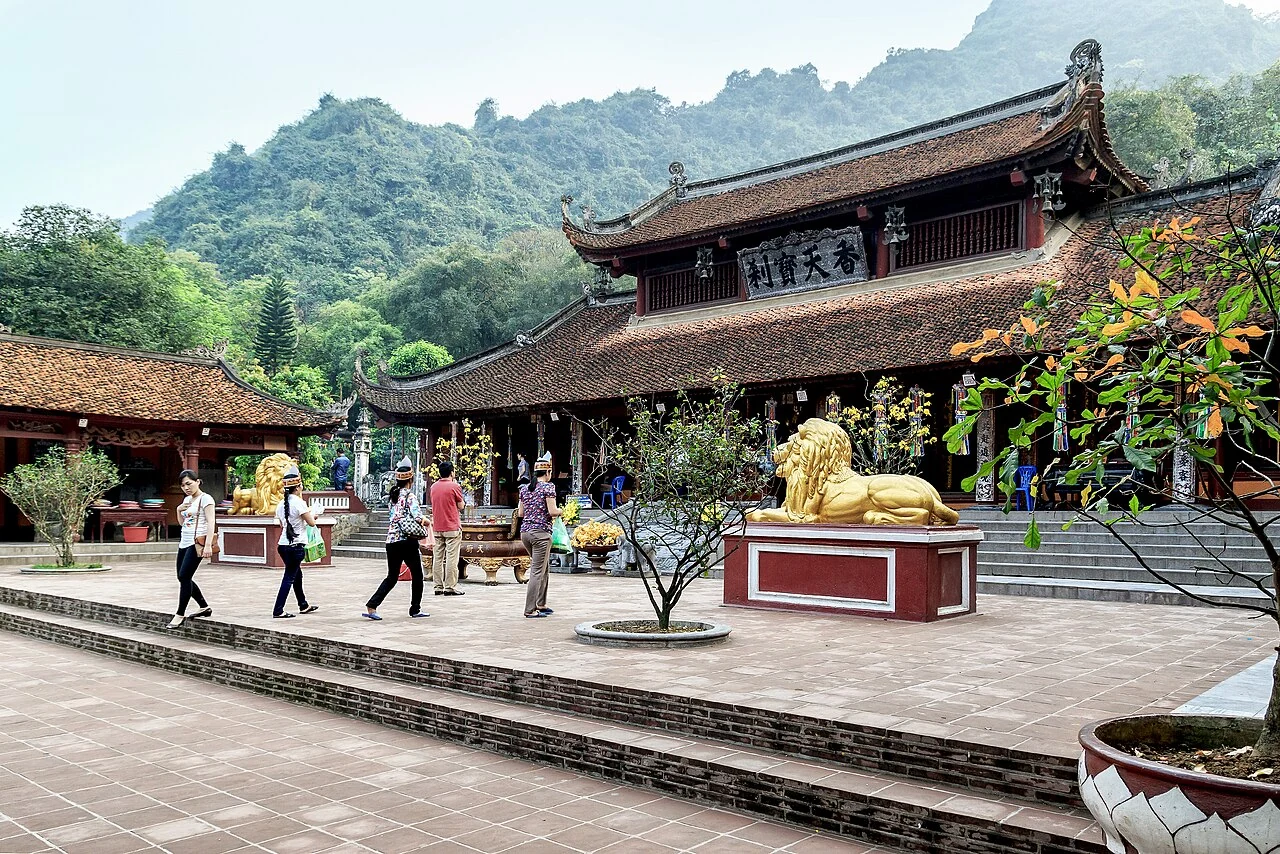
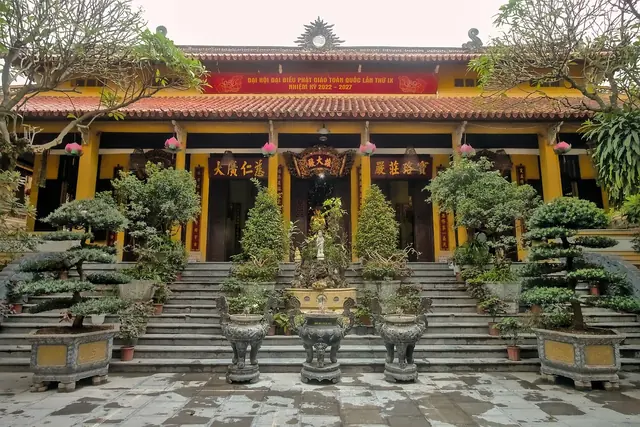
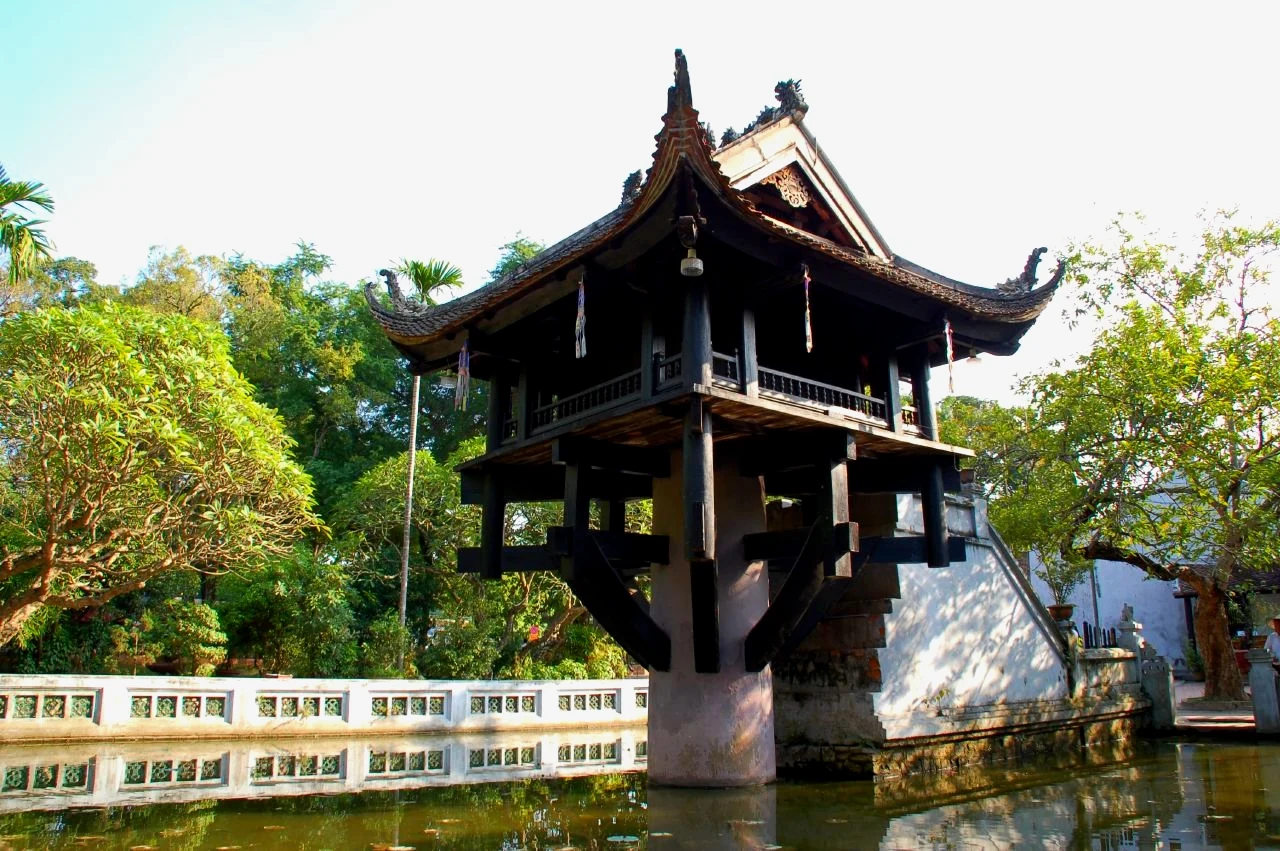
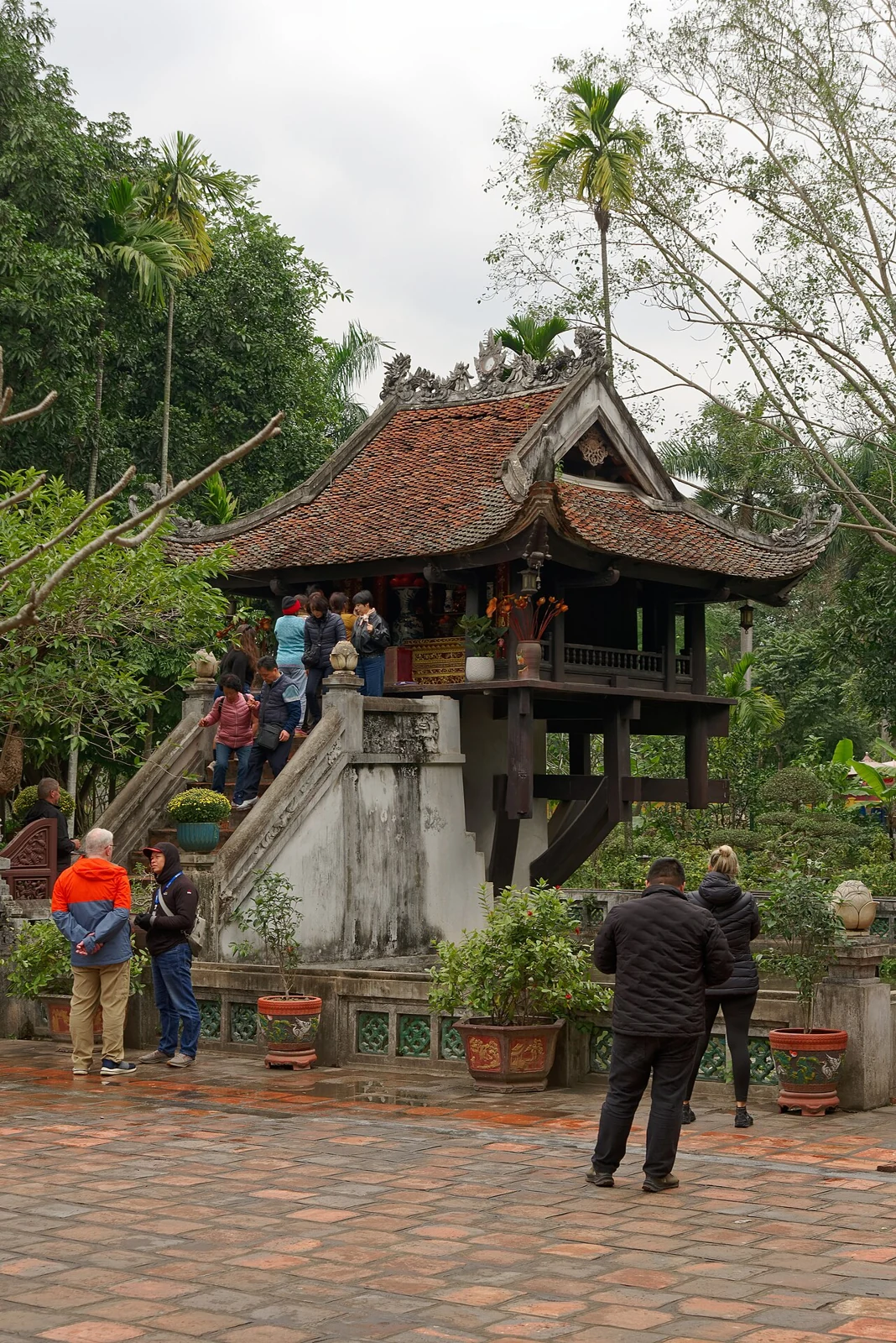
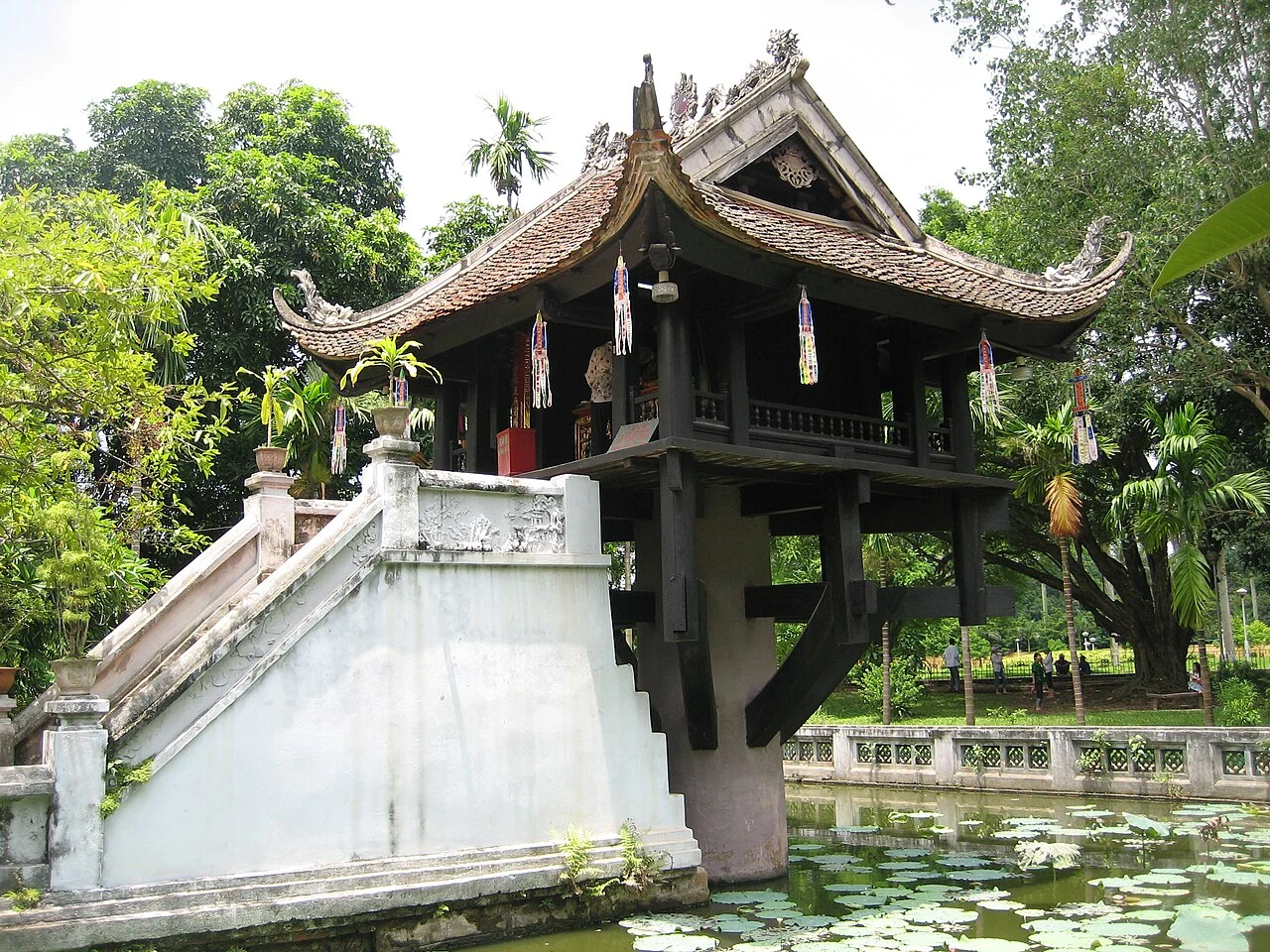
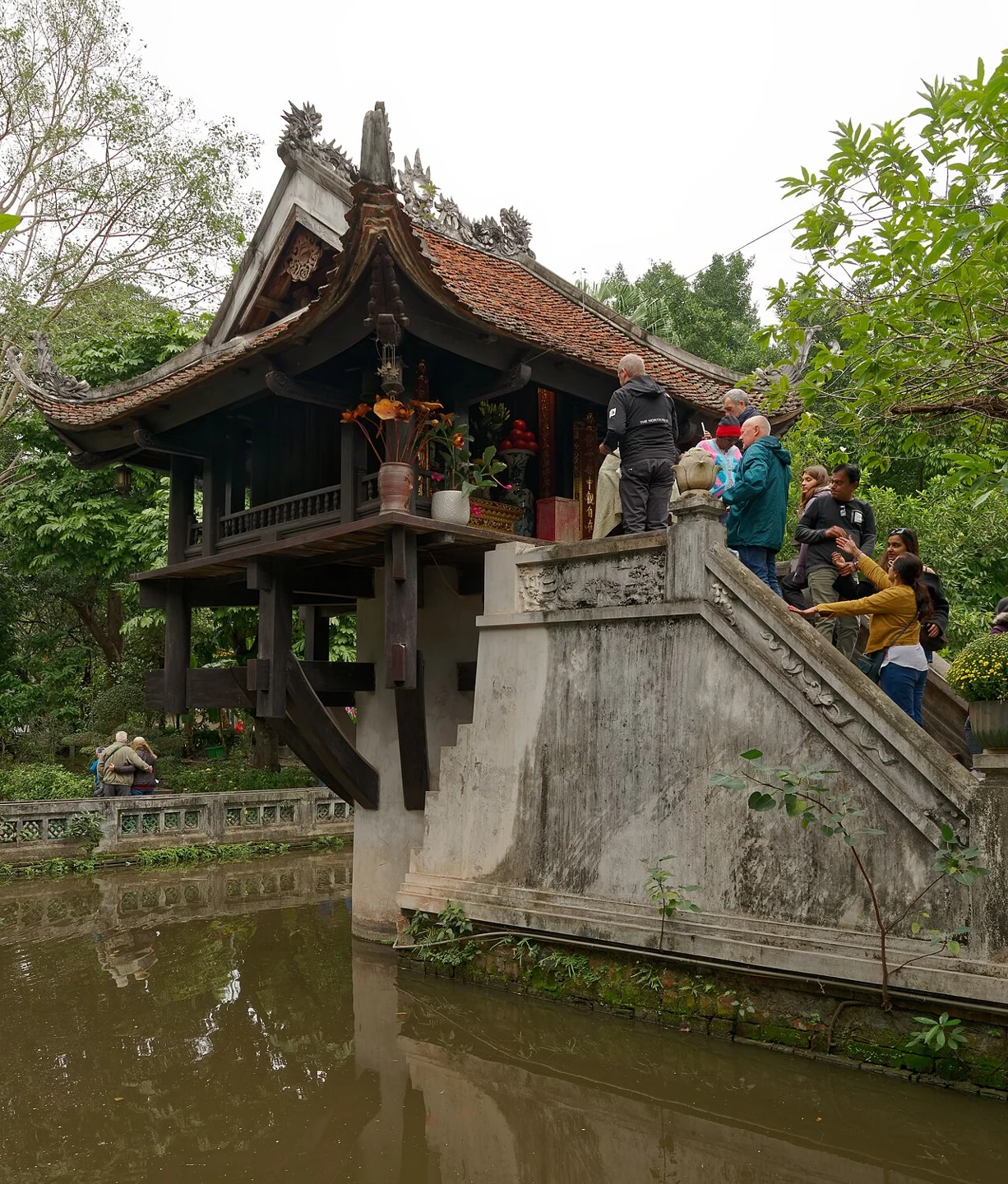
Documentary photo of One Pillar Temple (Chùa Một Cột). The surroundings may have changed since the photo was taken.
About
In the Ba Đình area, Liên Hoa Đài stands out like a lotus rising above the water. Commonly called the One Pillar Temple, it is a distinctive structure associated with Diên Hựu Temple, rather than the entire historic temple complex.
Visitor information
- Founded
- Construction began in 1049
- Visiting hours
- Fixed opening hours have not been confirmed. Please ask the temple.
- Fees
- Check the notices at the destination; the current fee schedule has not been confirmed.
- Address
- Phố Chùa Một Cột, khu vực Ba Đình, Hà Nội
Narrow steps lead up to the shrine; proceed in turn and avoid lingering on the stairs. Dress modestly and remain quiet while others are worshipping.
Highlights
- Liên Hoa Đài supported by a single stone pillar
- A shrine dedicated to Avalokiteśvara
- Curved rooflines, water and lotus symbolism
History and origins
The temple was founded in 1049 during the reign of Lý Thái Tông. Repeated restorations have altered its original scale. Liên Hoa Đài was destroyed in 1954 and reconstructed in the mid-20th century; the structure visible today does not retain its original Lý-period materials.
Liên Hoa Đài was rebuilt in 1955 after its destruction. Visitors should therefore distinguish the temple’s Lý-period foundation from the reconstruction that produced the present structure.
Architecture & surroundings
A wooden shrine is raised on a stone pillar in a pond, with steps leading up to it. Its tiled roof, upturned corners and supports evoke a lotus. View the whole structure from the courtyard to appreciate the relationship between shrine, pillar and water.
Notice the transition from the stone column to the timber frame and then the four-sided tiled roof. From the pond, the design resembles a lotus emerging from the water; at closer range, the carvings and ritual furnishings become visible.
Cultural value
The lotus suggests purity in Buddhism. One Pillar Temple is an architectural landmark of Thăng Long and a familiar image of Hà Nội.
The name Diên Hựu expresses a wish for enduring blessings. The account of King Lý Thái Tông’s dream belongs to the traditions surrounding the temple’s foundation and should be understood within the religious context of that era.
Events & festivals
The temple’s announcements determine its ritual schedule. A separate, fixed annual festival calendar has not been confirmed. Visitors are warmly invited to ask the temple before travelling about suitable services and to help maintain the dignity of the sacred space.
References & photo sources
Information checked: 2026-10-20. Documentary photographs may differ from current conditions.
Photo 1. Documentary photo of One Pillar Temple (Chùa Một Cột). The surroundings may have changed since the photo was taken.
Ruud · Original photo · CC BY-SA 2.0
Resized and converted to WebP without altering the image content.
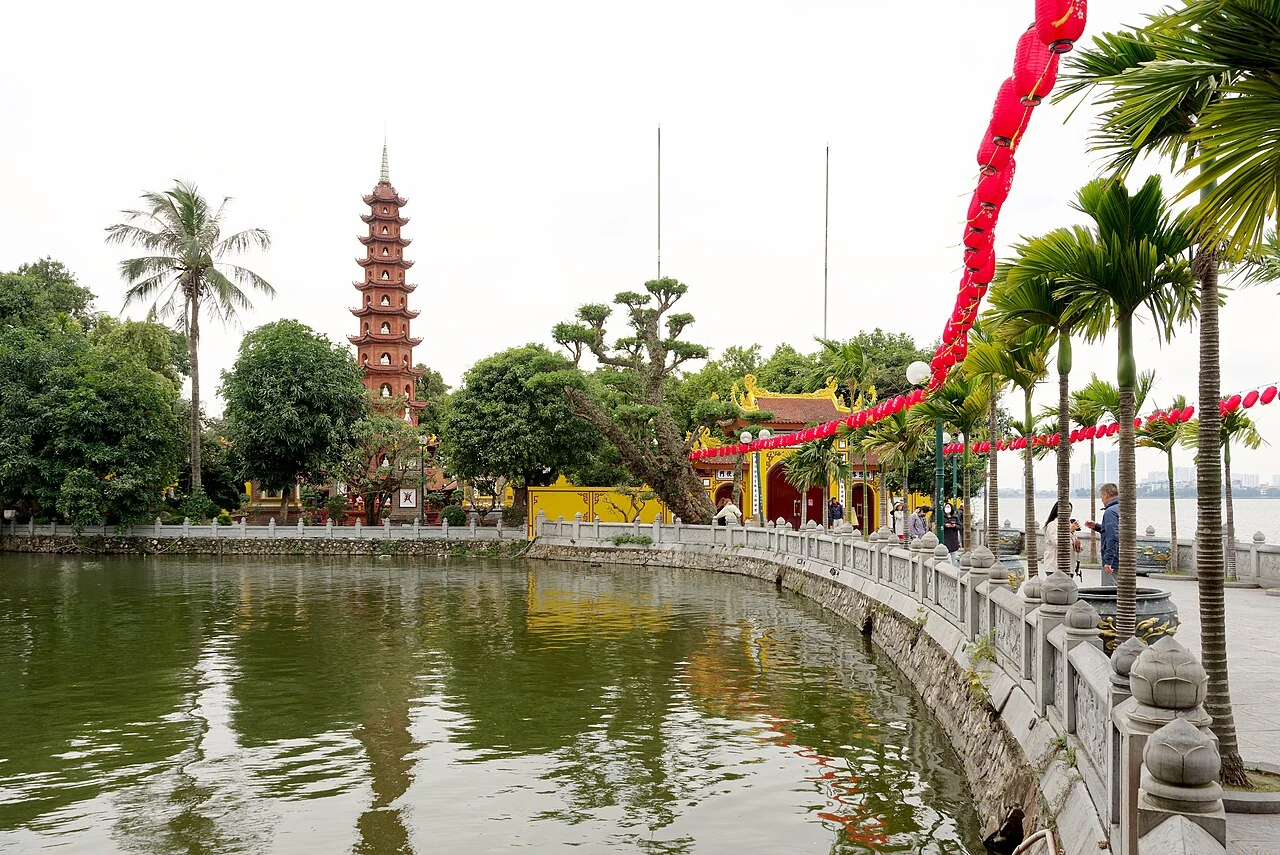
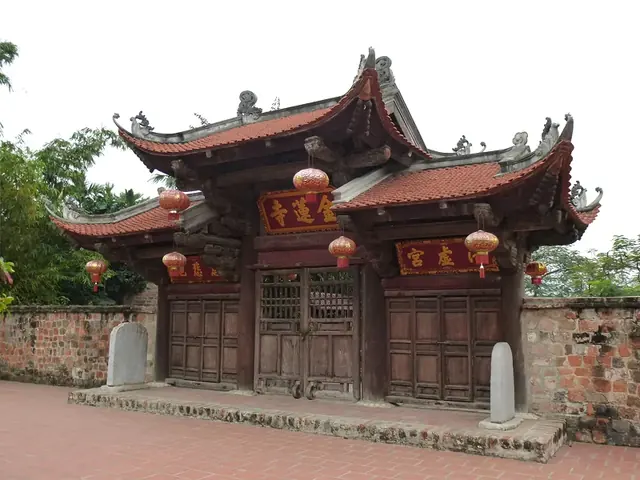
Photo 2. Documentary photo of One Pillar Temple (Chùa Một Cột). The surroundings may have changed since the photo was taken.
Jakub Hałun · Original photo · CC BY 4.0
Resized and converted to WebP without altering the image content.
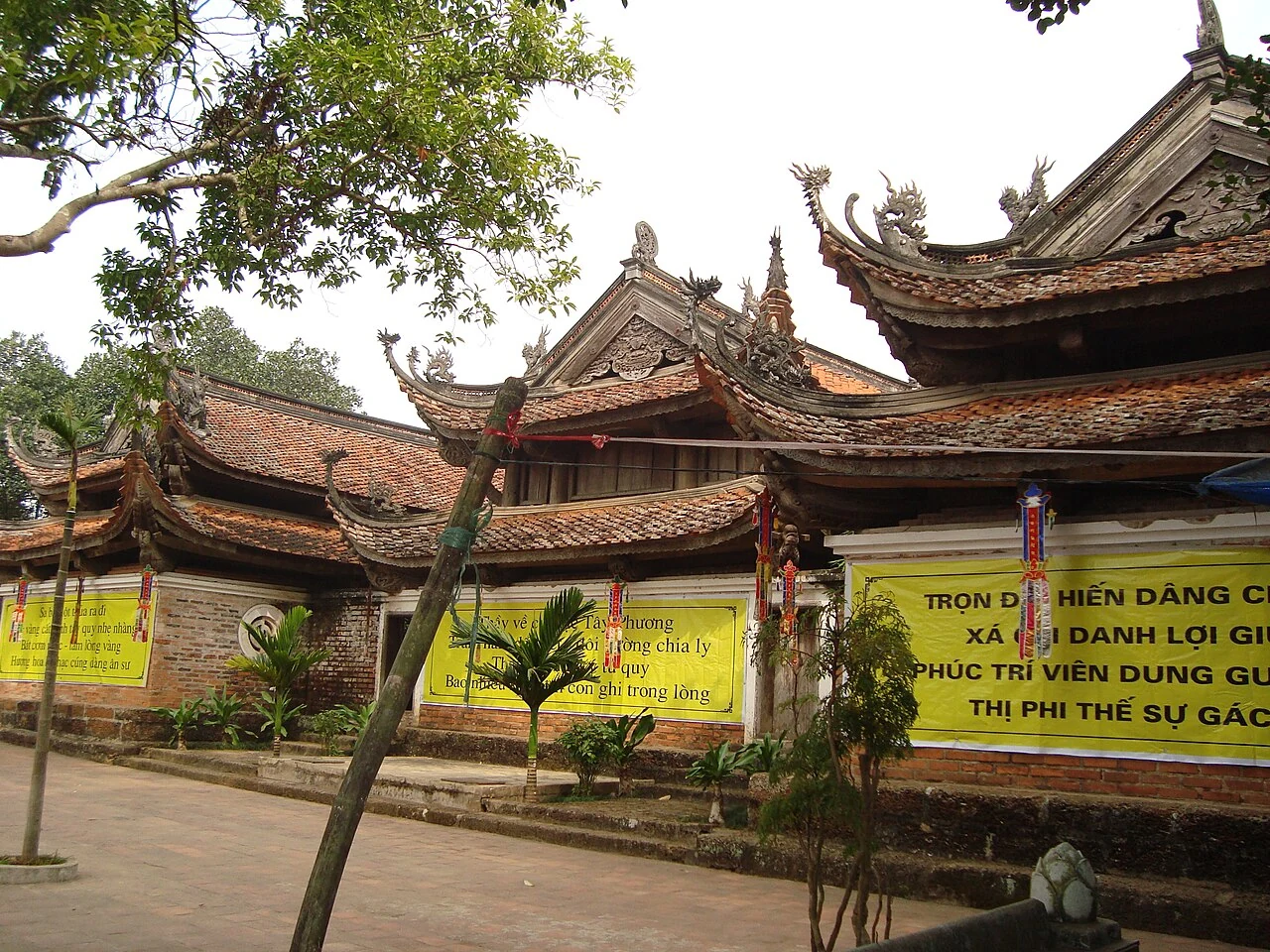
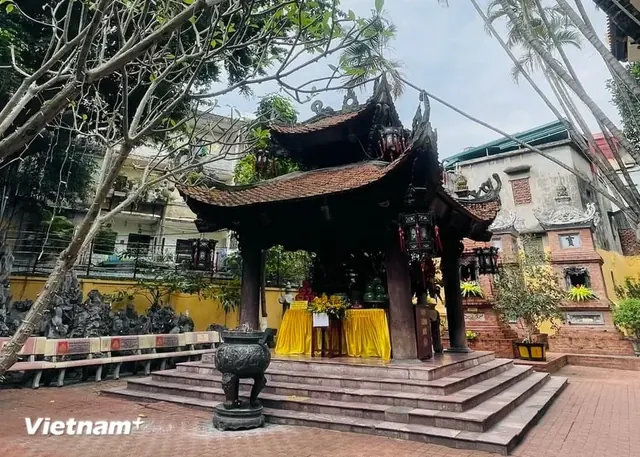
Photo 3. Documentary photo of One Pillar Temple (Chùa Một Cột). The surroundings may have changed since the photo was taken.
thalling55 · Original photo · CC BY 2.0
Resized and converted to WebP without altering the image content.
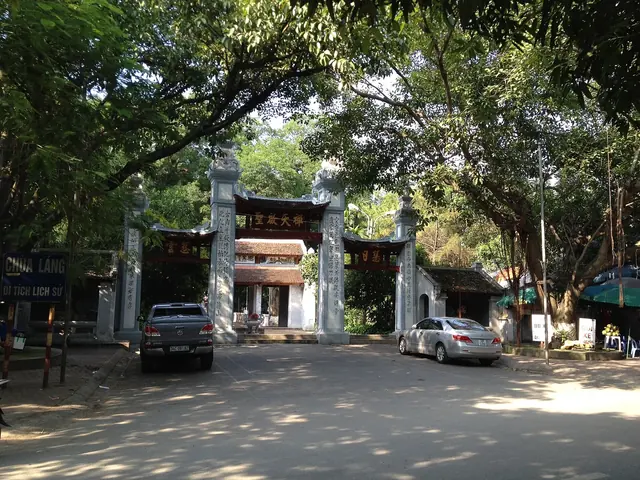
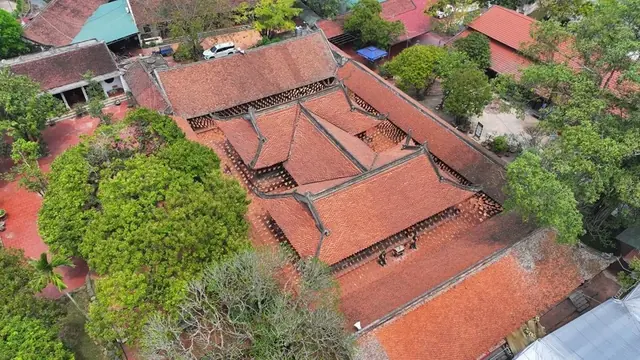
Photo 4. Documentary photo of One Pillar Temple (Chùa Một Cột). The surroundings may have changed since the photo was taken.
Jakub Hałun · Original photo · CC BY 4.0
Resized and converted to WebP, preserving the original composition.
Photo 5. Documentary photo of One Pillar Temple (Chùa Một Cột). The surroundings may have changed since the photo was taken.
ndoduc · Original photo · CC BY-SA 4.0
Resized and converted to WebP, preserving the original composition.