 Phật Giáo VNS
Keo Temple · Thái Bình
Thần Quang Temple
Hưng Yên · former Thái Bình area
Swipe or use the arrows to browse photos. Tap a photo to view it in full.
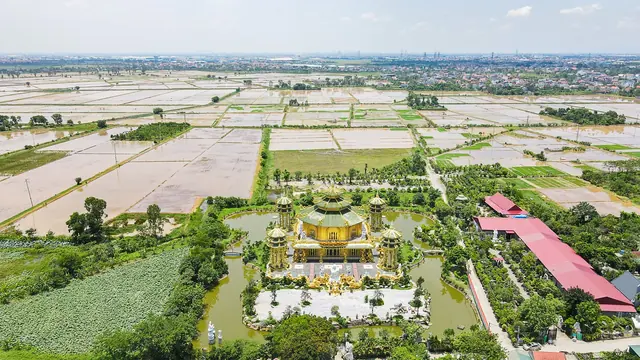
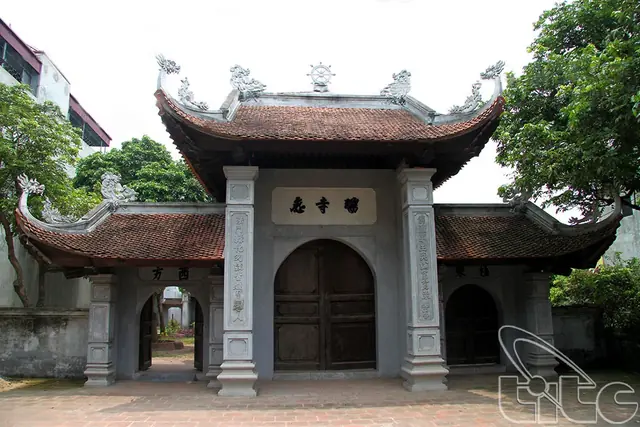
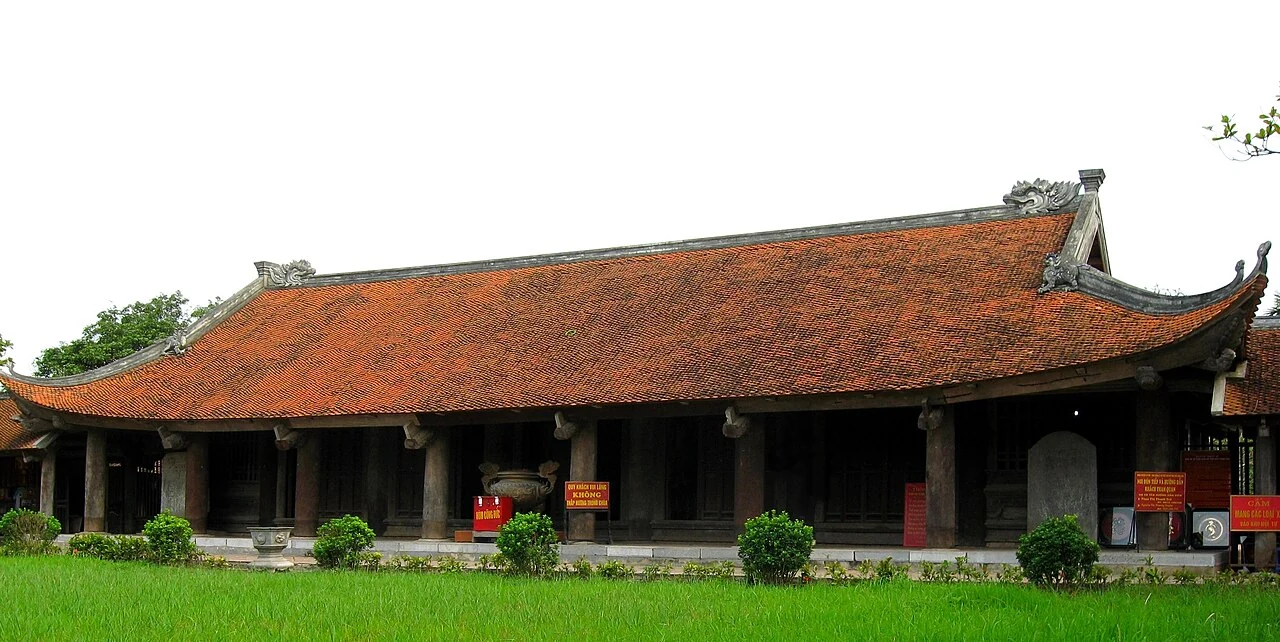
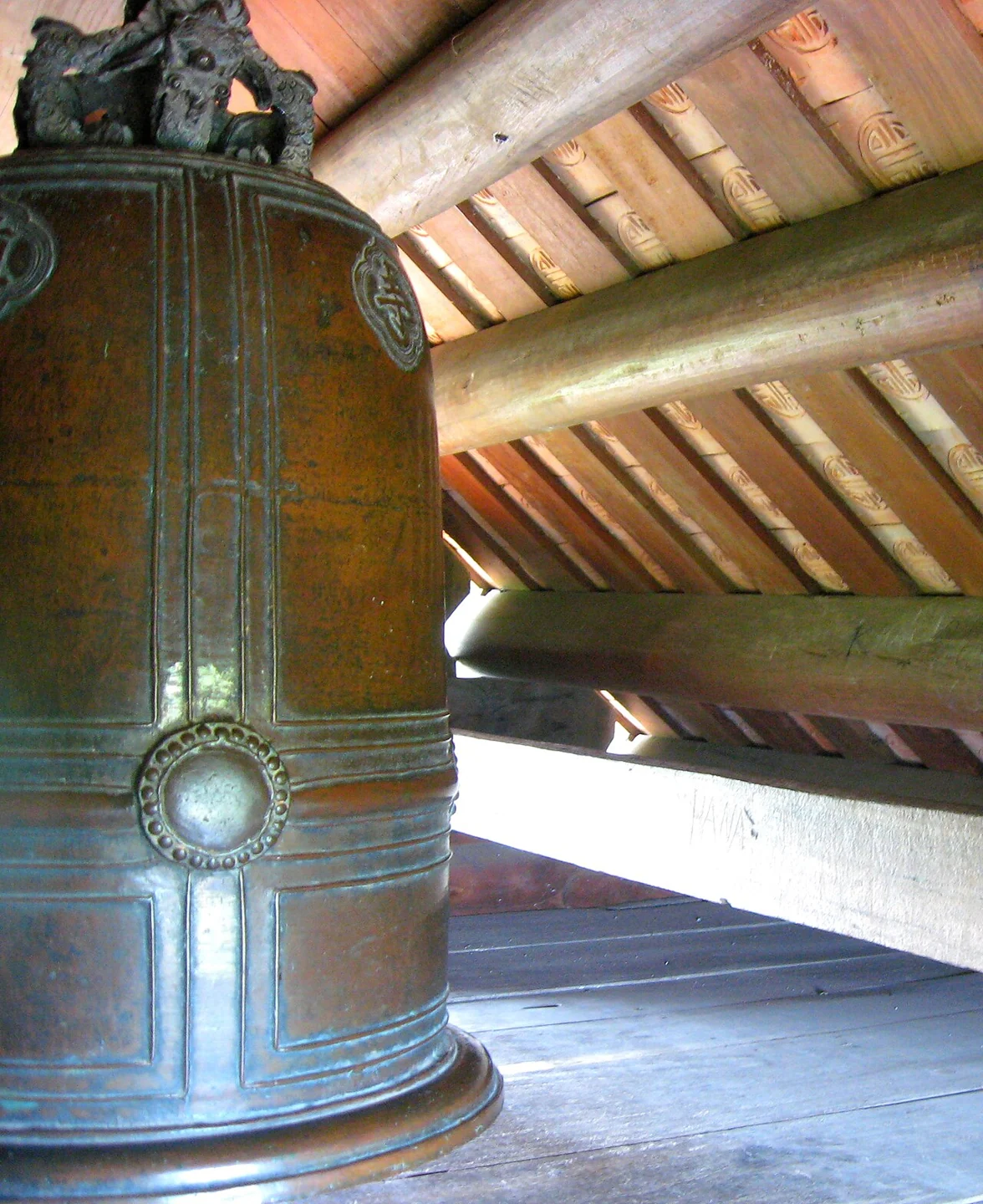
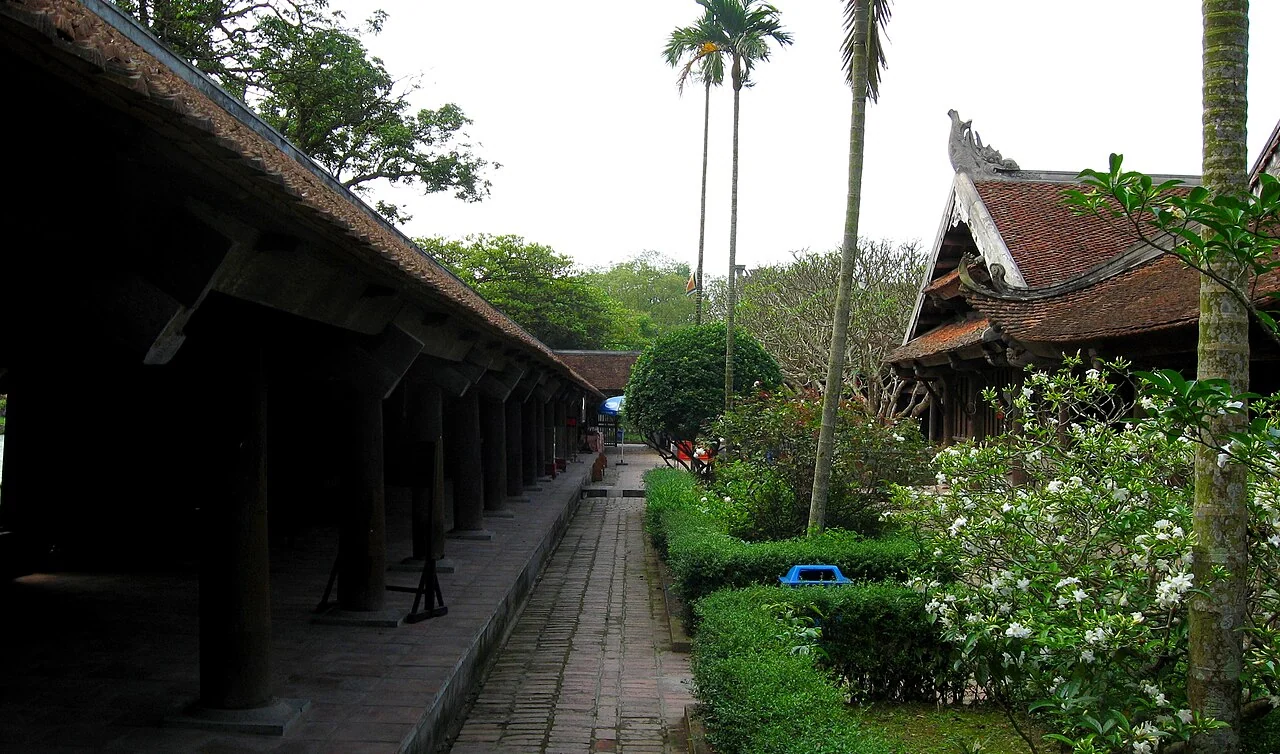
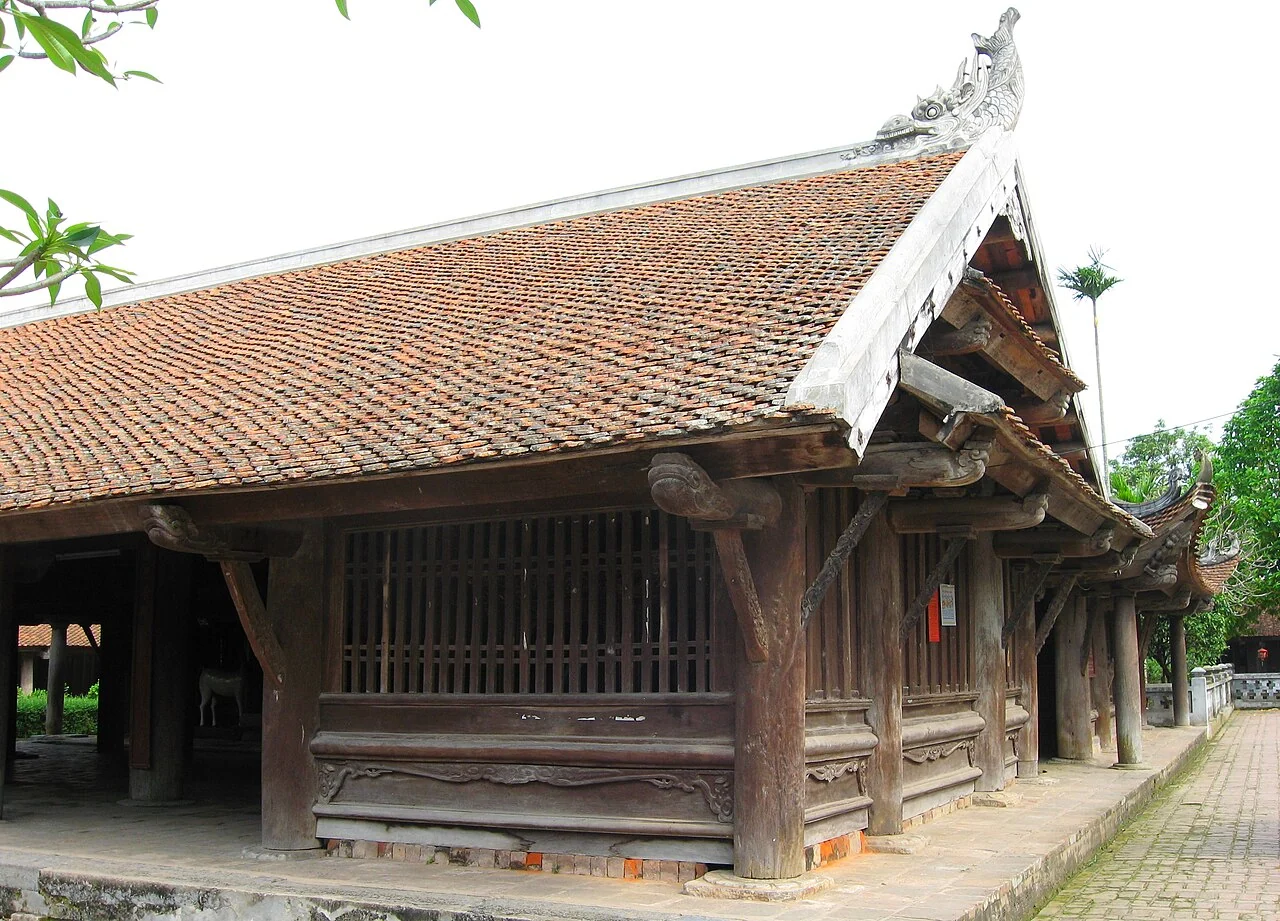
Documentary photo of Keo Temple · Thái Bình. The surroundings may have changed since the photo was taken.
About
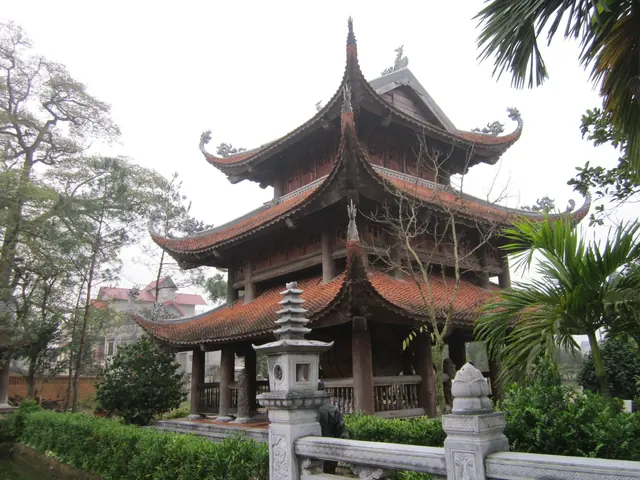
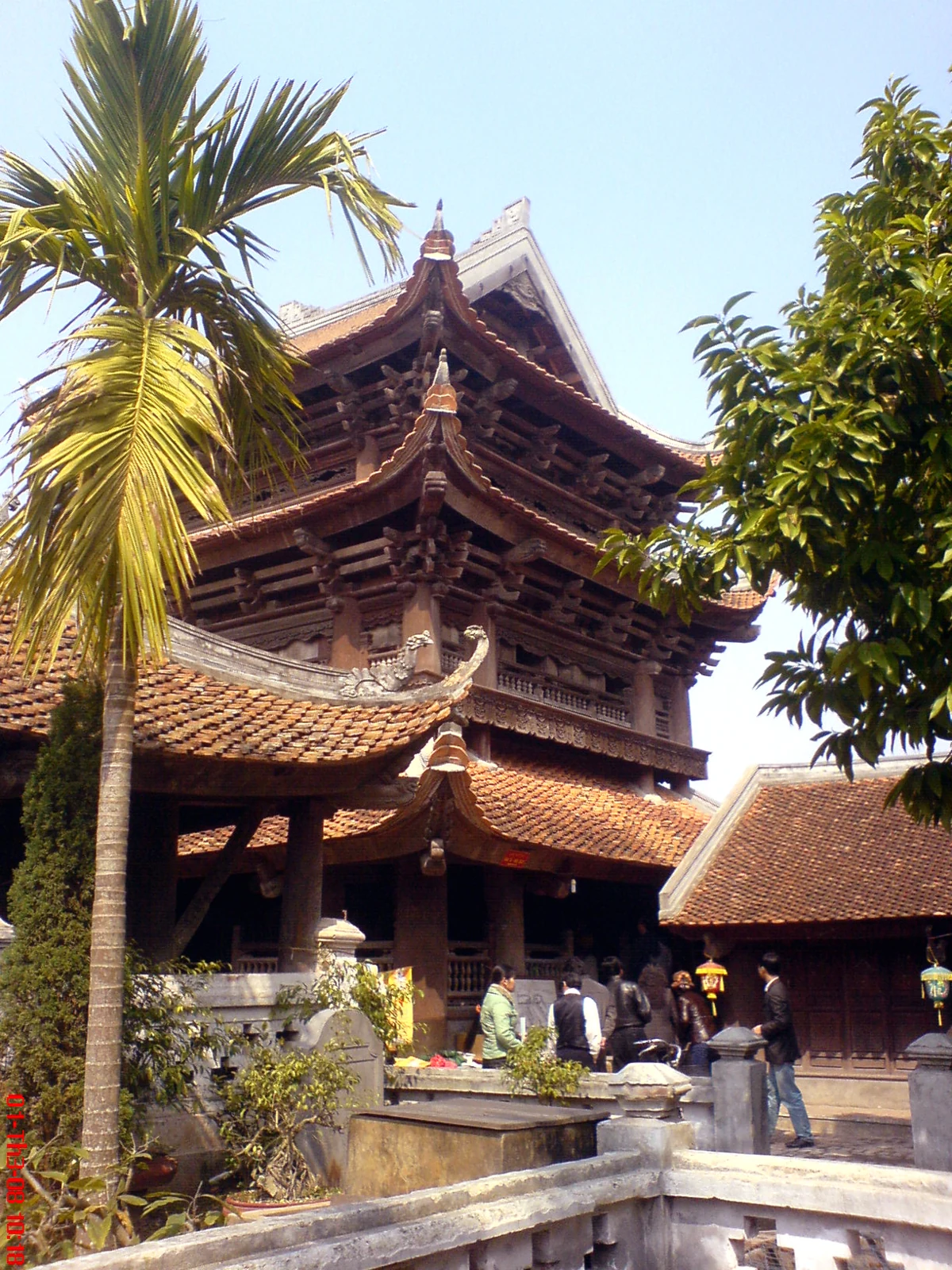
Keo Temple in the Thái Bình region is known for its timber architectural ensemble and multi-roofed bell tower. It honours the Buddha and Zen master Dương Không Lộ; distinguish it from Keo Hành Thiện Temple in Nam Định.
Visitor information
- Founded
- The present temple was built in 1632
- Visiting hours
- Fixed opening hours have not been confirmed. Please ask the temple.
- Fees
- Check the notices at the destination; the current fee schedule has not been confirmed.
- Address
- Làng Hành Dũng Nghĩa, vùng Vũ Thư, tỉnh Hưng Yên
Include “Vũ Thư, Thái Bình” in map searches to avoid other Keo temples. Do not climb the bell tower independently or interfere with structural elements; follow the routes open to visitors.
Highlights
- The three-storey bell tower with layered roofs
- An interconnected timber complex
- A festival commemorating Dương Không Lộ
History and origins
The tradition traces its origins to Nghiêm Quang Temple in Giao Thủy in 1061. Residents relocated after the flood of 1611. Keo Temple at this location was built in 1632; the present buildings do not all date from 1061.
Architecture & surroundings
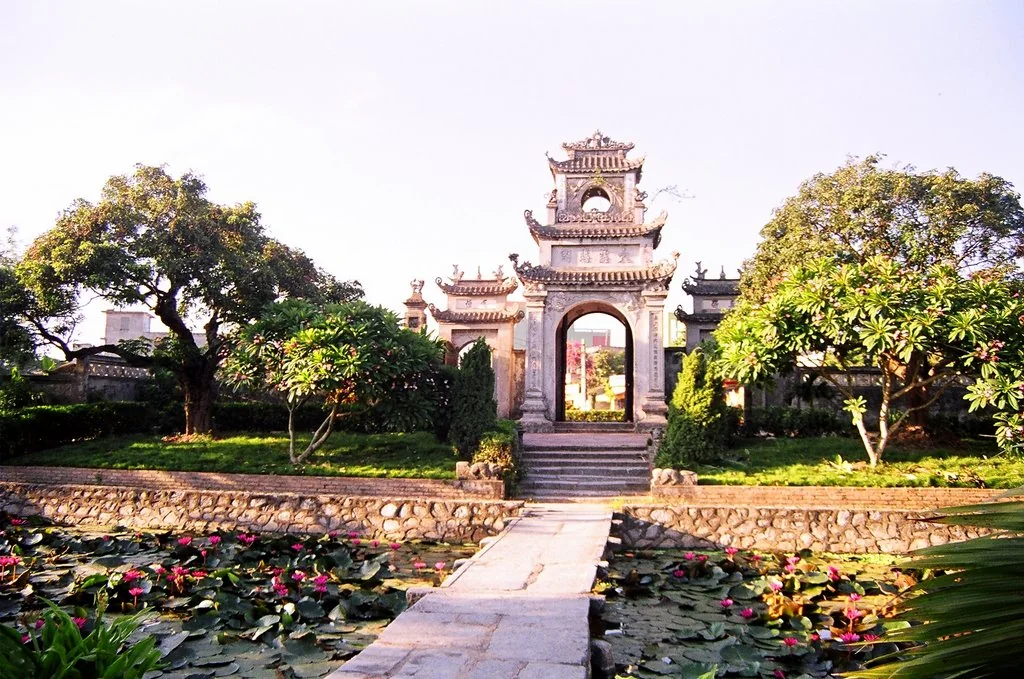
The layout places Buddhist worship in front and the saint’s shrine behind, with numerous timber buildings, courtyards and corridors. The bell tower has three storeys and an intricate roof system, exemplifying traditional timber construction.
The wooden bell tower’s three levels and twelve roofs make it readily recognisable. Buddhist shrines occupy the front and the saint’s shrine the rear; two corridors link the buildings into a coherent whole.
Cultural value
Architecture, carving and festivals jointly form the heritage site’s value. Veneration of Không Lộ continues alongside local Buddhist life.
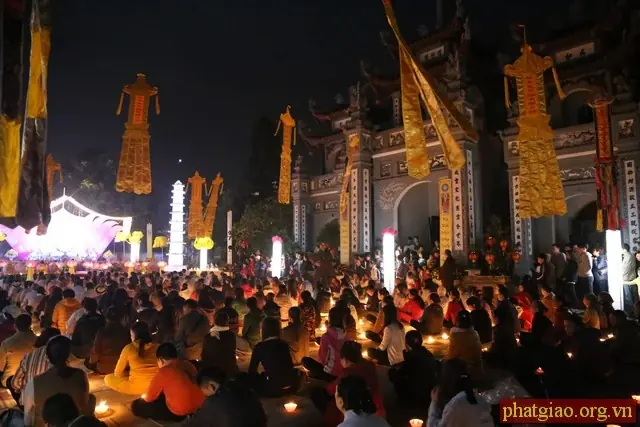
The festivals are associated with Zen master Dương Không Lộ and the Keo village community. Some performances and rituals have changed over time; traditional dates are a reference, while the actual programme should be checked each year.
Events & festivals
Spring and autumn festivals
Spring: 4th day of the first lunar month · autumn: 13–15 of the ninth lunar month
The spring festival is usually held on the 4th day of the first lunar month; the main autumn festival days are the 13th to 15th of the ninth lunar month. Expanded annual programmes may differ.
References & photo sources
Information checked: 2026-10-20. Documentary photographs may differ from current conditions.
Photo 1. Documentary photo of Keo Temple · Thái Bình. The surroundings may have changed since the photo was taken.
Daaé · Original photo · Public domain
Resized and converted to WebP without altering the image content.
Photo 2. Documentary photo of Keo Temple · Thái Bình. The surroundings may have changed since the photo was taken.
Casablanca1911 · Original photo · CC BY 3.0
Resized and converted to WebP without altering the image content.
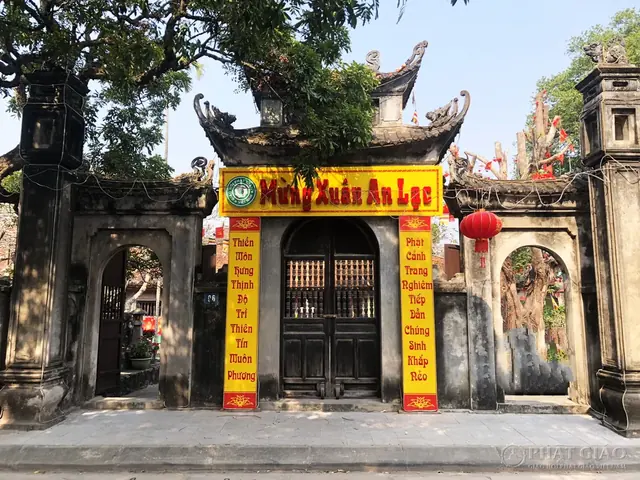
Photo 3. Documentary photo of Keo Temple · Thái Bình. The surroundings may have changed since the photo was taken.
Daaé · Original photo · Public domain
Resized and converted to WebP, preserving the original composition.
Photo 4. Documentary photo of Keo Temple · Thái Bình. The surroundings may have changed since the photo was taken.
Daaé · Original photo · Public domain
Resized and converted to WebP, preserving the original composition.
Photo 5. Documentary photo of Keo Temple · Thái Bình. The surroundings may have changed since the photo was taken.
Daaé · Original photo · Public domain
Resized and converted to WebP, preserving the original composition.