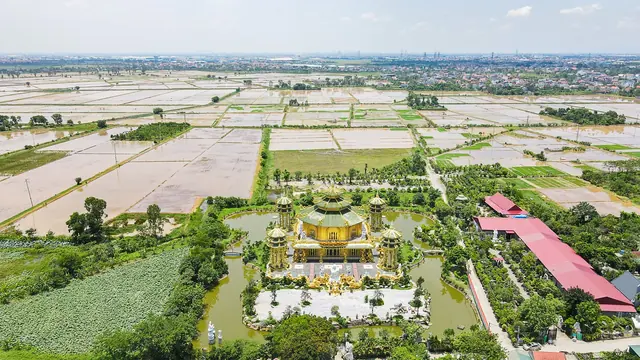
 Phật Giáo VNS
Chuông Temple
Kim Chung Temple · Chuông Temple in Phố Hiến
Hưng Yên
Swipe or use the arrows to browse photos. Tap a photo to view it in full.
The entrance to Chuông Temple across the lake.
About
Chuông Temple is a prominent historic temple of Phố Hiến, known for its statues and traditional architectural setting. The name Kim Chung Temple is linked to a legend about a golden bell, passed down as a local cultural story.
Visitor information
- Founded
- Its origins date to the 15th century; major restoration took place in the early 18th century.
- Visiting hours
- Please ask the temple about visiting hours and the practice schedule before coming.
- Fees
- Please consult the guidance and posted information at the destination; services outside the temple may be charged separately.
- Address
- Khu vực Nhân Dục, phường Phố Hiến, tỉnh Hưng Yên; địa danh cũ là phường Hiến Nam.
Take time to walk slowly around the courtyard and observe statues from a suitable distance. Do not touch statues, bells or stelae, or place money in statues’ hands. Groups requiring a guide should contact the management beforehand; during services, keep passageways clear and silence phones.
Highlights
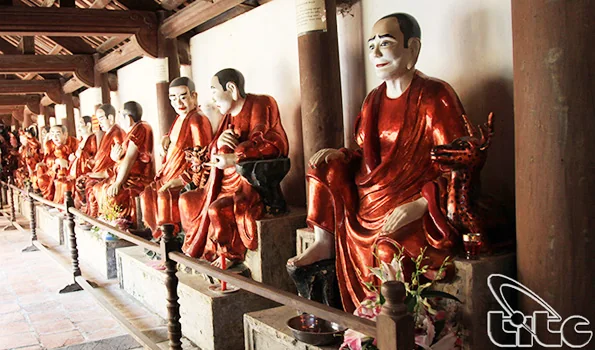
- Rows of Arhat statues and the Ten Kings of the Underworld.
- A stone bridge and historic courtyards and worship halls.
- Stelae and surviving objects recording the temple’s restoration.
History and origins
An introduction published by the State Committee for Overseas Vietnamese traces the temple to the 15th century, with restorations in the early 18th century. The stone bridge and stelae record the dates 1702 and 1711.
The golden-bell legend explains the temple’s name in folk memory; it should not be treated as an archaeologically proven event.
Architecture & surroundings
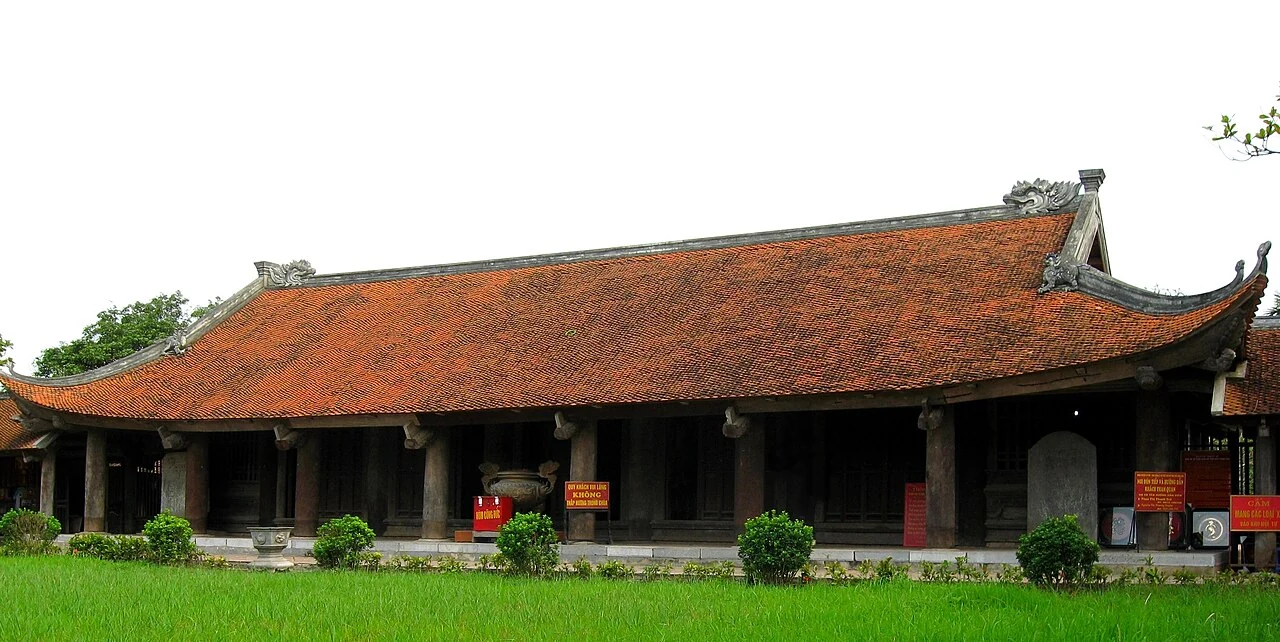
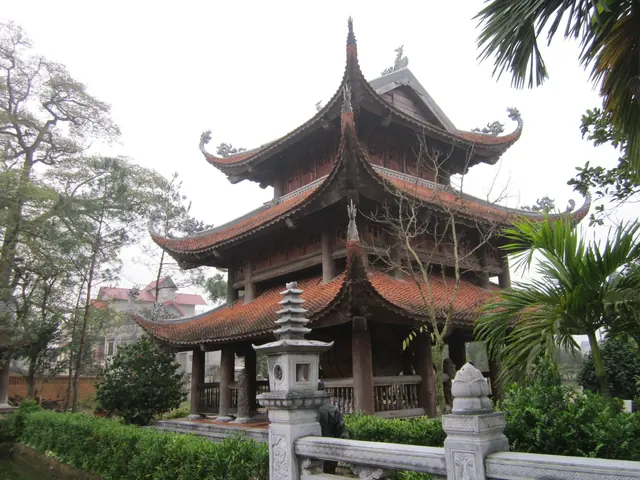
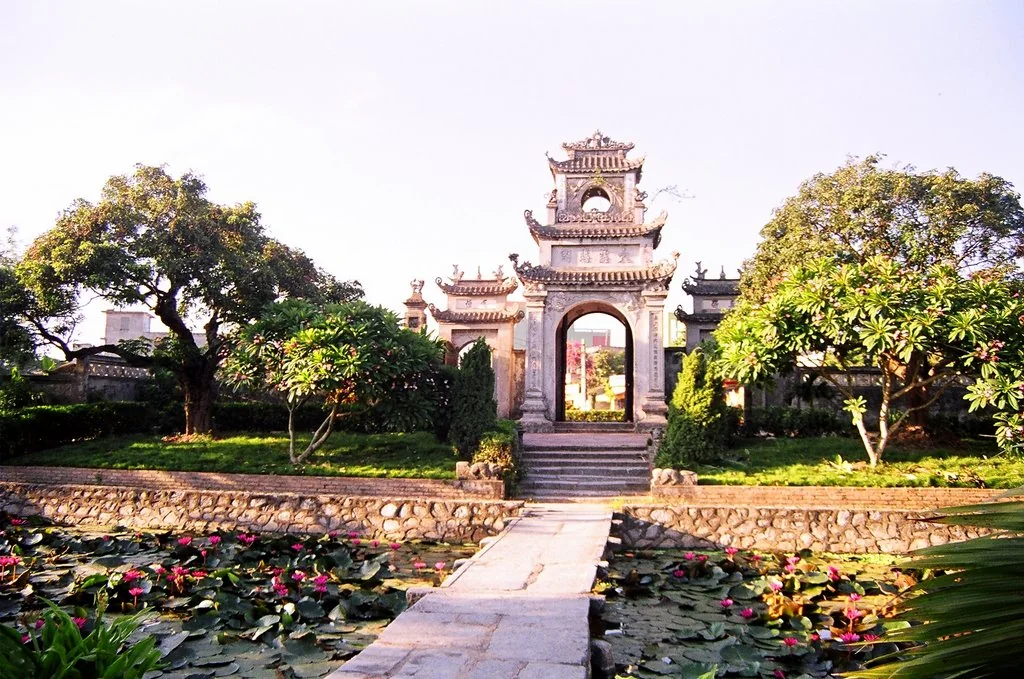
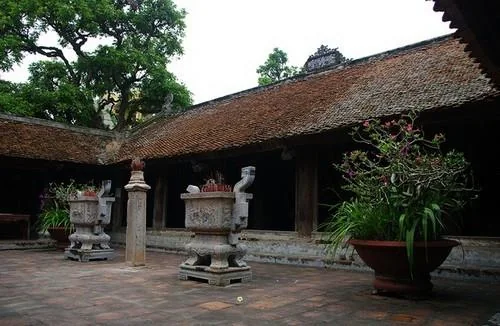
Courtyards, the stone bridge, worship halls and corridors form a connected ensemble. The Arhats have varied poses and expressions, while the Ten Kings imagery reflects folk ideas of morality combined with Buddhism.
Cultural value
The temple preserves part of Phố Hiến’s cultural landscape alongside communal houses, shrines and assembly halls. Its sculpture, inscriptions and Buddhist observances offer insights into the spiritual life of residents of the former trading port.
Events & festivals
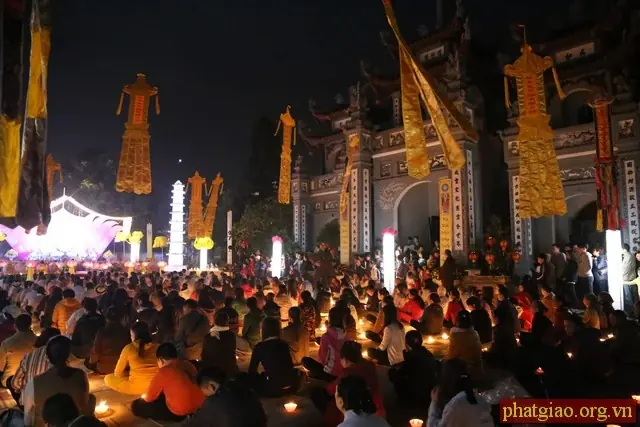
The temple maintains Buddhist observances according to its practice schedule and appropriate religious occasions. Please ask for the latest schedule before attending; Phố Hiến festival activities in the surrounding area may have locations and dates separate from Chuông Temple.
References & photo sources
Information checked: 2026-10-20. Documentary photographs may differ from current conditions.
Photo 1. The entrance to Chuông Temple across the lake.
dulich.hungyen.gov.vn · Original photo · Documentary photo from the cited source; copyright belongs to its owner.
Resized and converted to WebP without altering the image content.
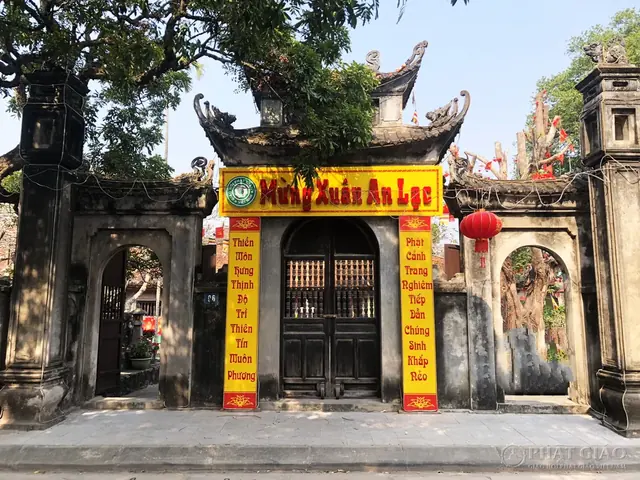
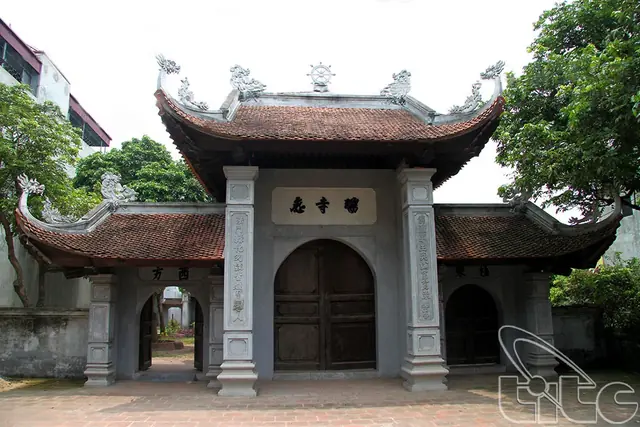
Photo 2. The three-entrance gate at Chùa Chuông.
dulich.hungyen.gov.vn · Original photo · Documentary photo from the cited source; copyright belongs to its owner.
Resized and converted to WebP without altering the image content.
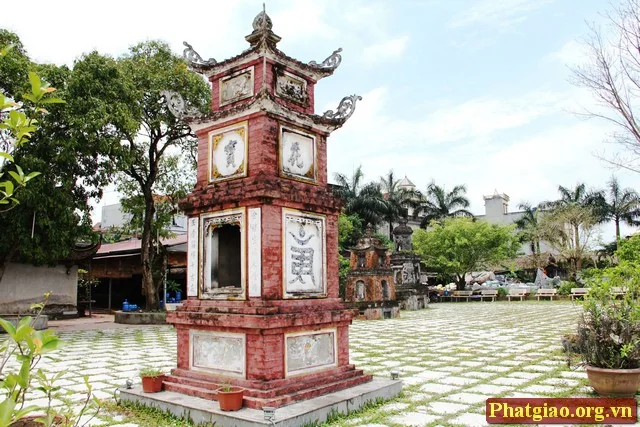
Photo 3. Architecture in the temple courtyard.
dulich.hungyen.gov.vn · Original photo · Documentary photo from the cited source; copyright belongs to its owner.
Resized and converted to WebP without altering the image content.
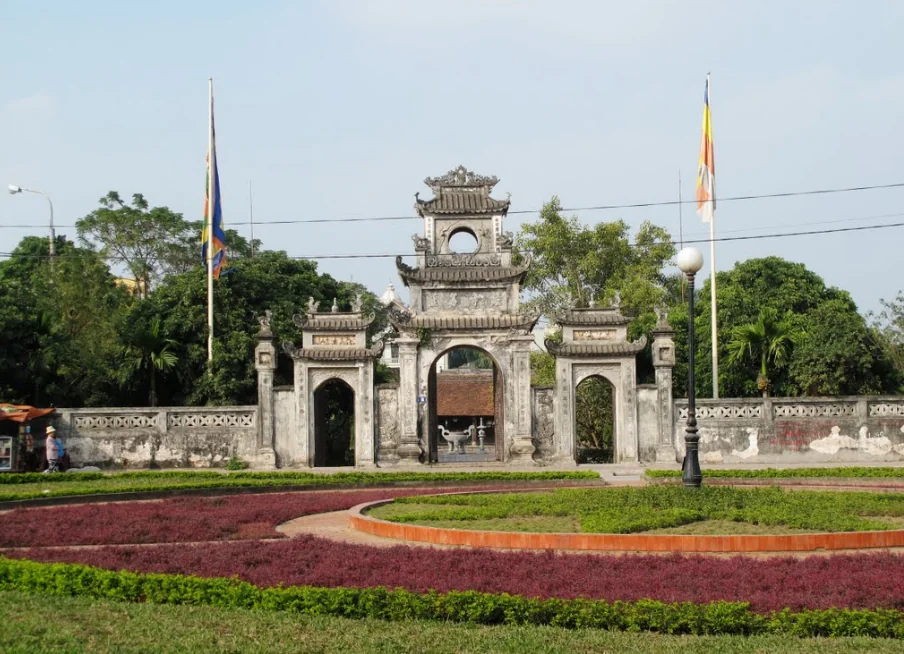
Photo 4. A row of buildings with old tiled roofs.
dulich.hungyen.gov.vn · Original photo · Documentary photo from the cited source; copyright belongs to its owner.
Resized and converted to WebP without altering the image content.
Photo 5. Arhat statues in the corridor.
dulich.hungyen.gov.vn · Original photo · Documentary photo from the cited source; copyright belongs to its owner.
Resized and converted to WebP without altering the image content.