 Phật Giáo VNS
Dạm Temple
Đại Lãm Temple · Lãm Sơn Temple · Cảnh Long Đồng Khánh
Nam Sơn, Bắc Ninh
Swipe or use the arrows to browse photos. Tap a photo to view it in full.
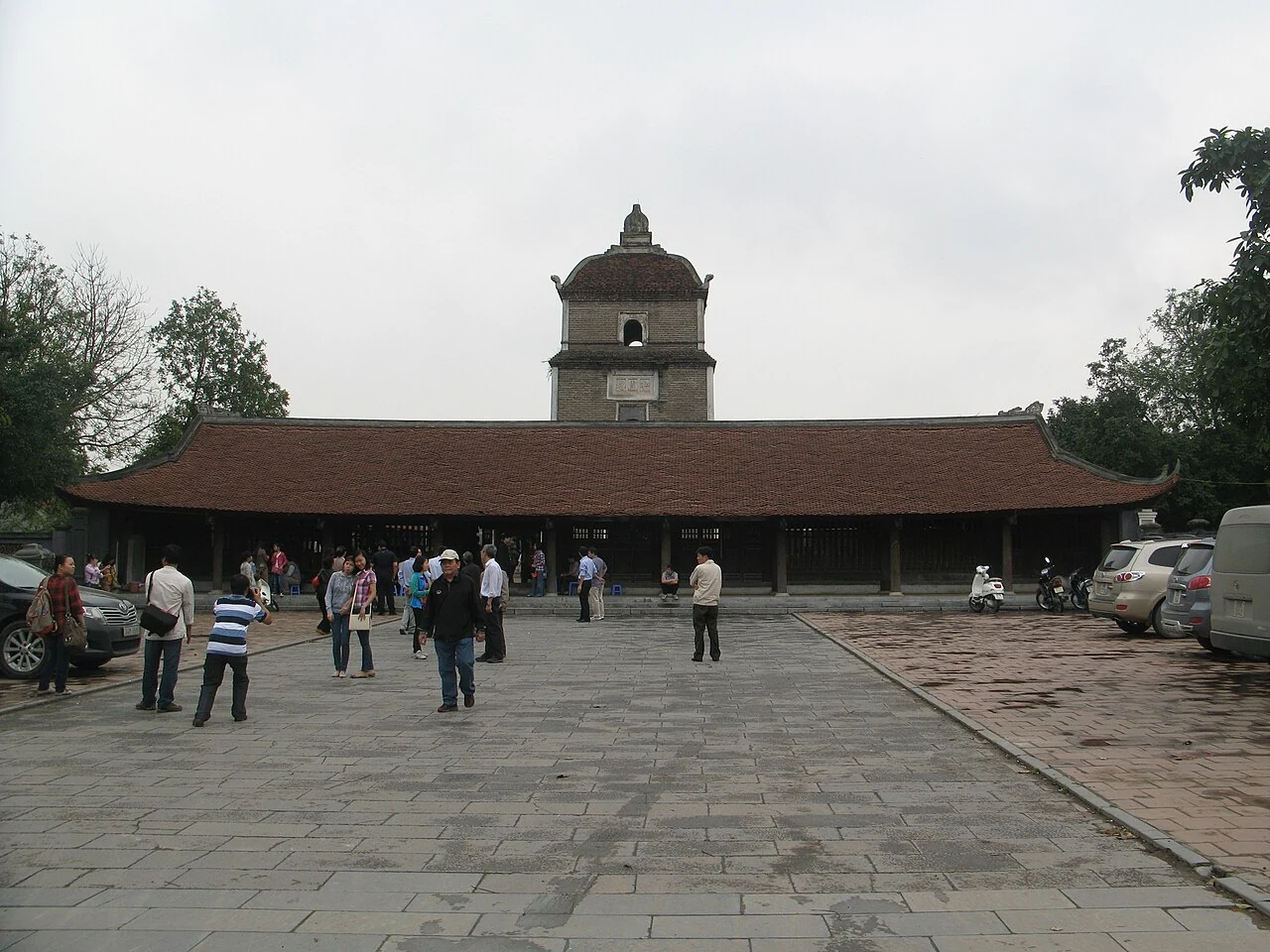
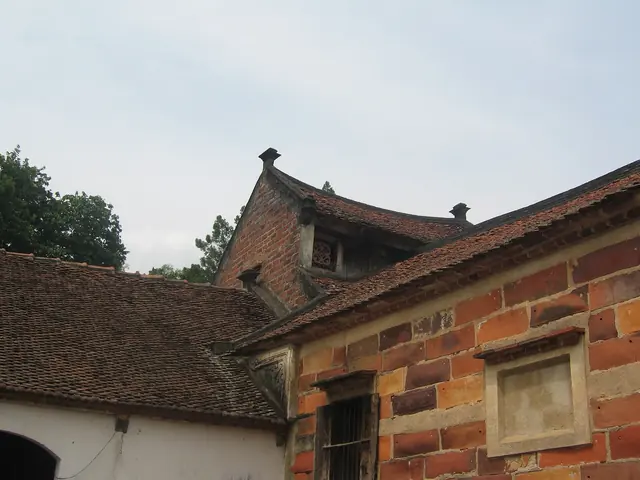
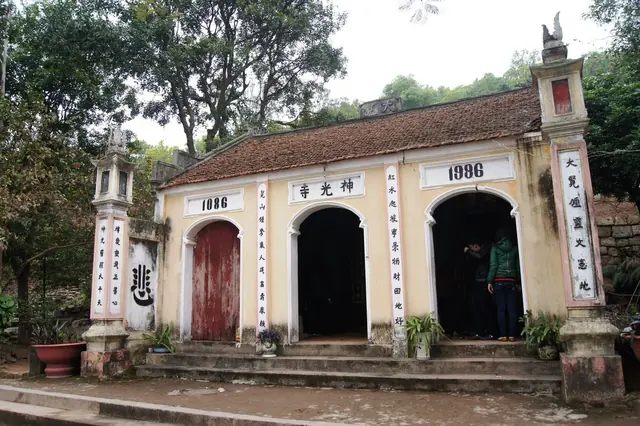
Dạm Temple buildings in a documentary photograph before the latest restoration.
About
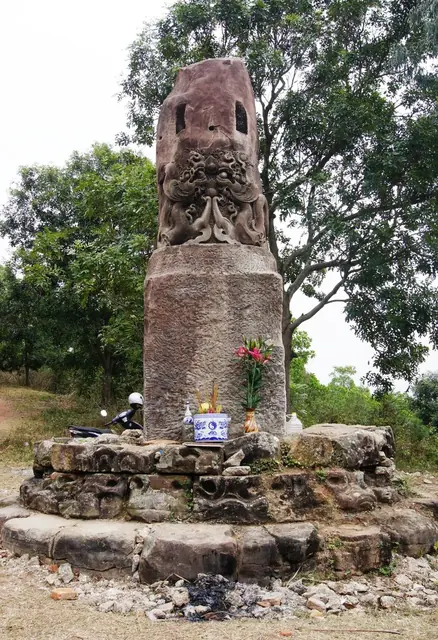
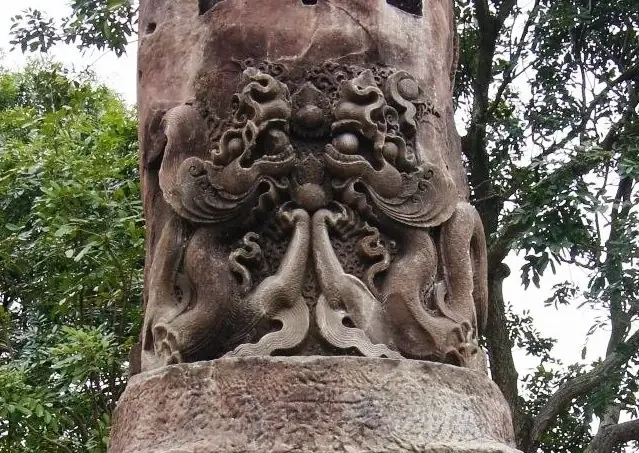
Dạm Temple was a major Buddhist site of the Lý period, distinguished by terraced foundations on the mountainside and a dragon-carved stone pillar. Today’s worship architecture combines reconstructed buildings with conserved ancient remains.
Visitor information
- Founded
- Construction began in 1086 and was completed in 1094 under King Lý Nhân Tông.
- Visiting hours
- Visiting hours may vary with the practice schedule; please ask the temple before your trip.
- Fees
- No fee has been confirmed by the temple. Please consult notices at the destination; services outside the temple may be charged separately.
- Address
- Sườn núi Dạm, phường Nam Sơn, tỉnh Bắc Ninh.
Wear shoes with good grip, as the site extends across several elevations. Observe the stone pillar and archaeological remains from designated routes; do not climb on objects or carve marks into them.
Highlights
- The Lý-period dragon-carved stone pillar.
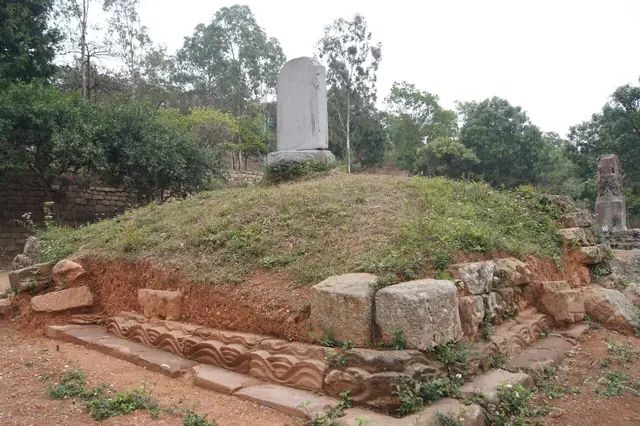
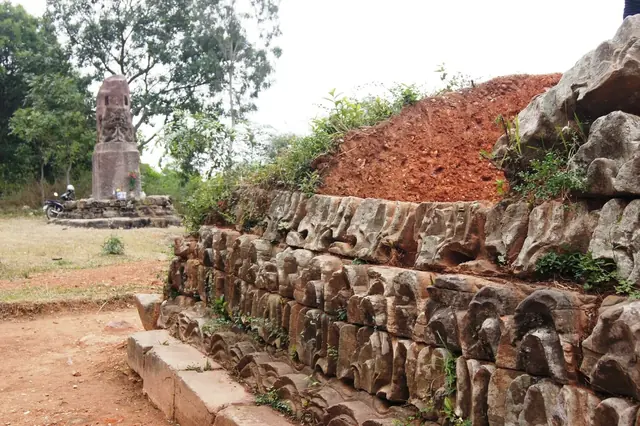
- Four architectural terrace levels.
- A space commemorating Ỷ Lan.
- Restored worship buildings.
History and origins
Department of Cultural Heritage records cite historical sources for construction in 1086–1094. Excavations identified four foundation terraces and numerous repair phases from the Lý to Nguyễn periods. After wartime losses, the temple was rebuilt on a smaller scale in 1986 and further restoration followed. The Lý-period stone pillar was recognised as a National Treasure in 2017.
Architecture & surroundings
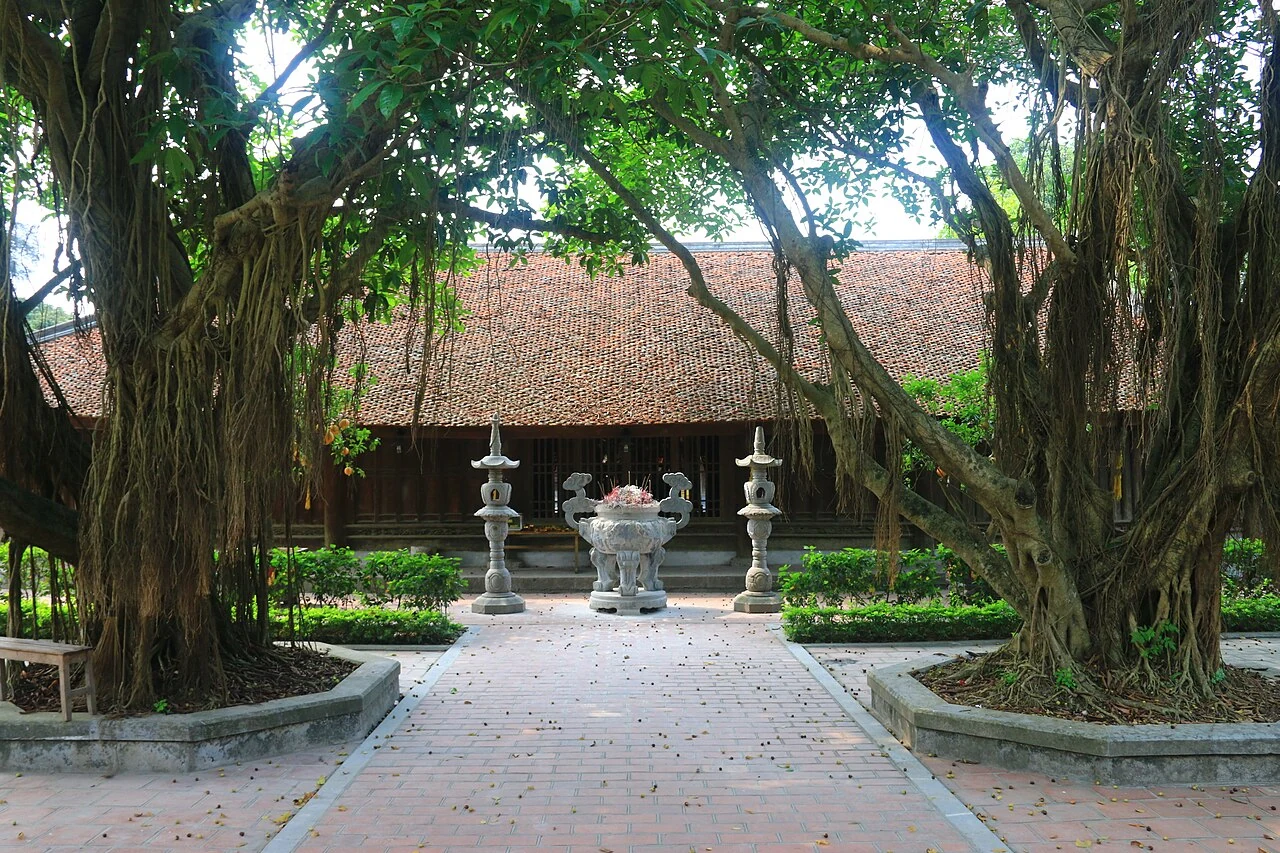
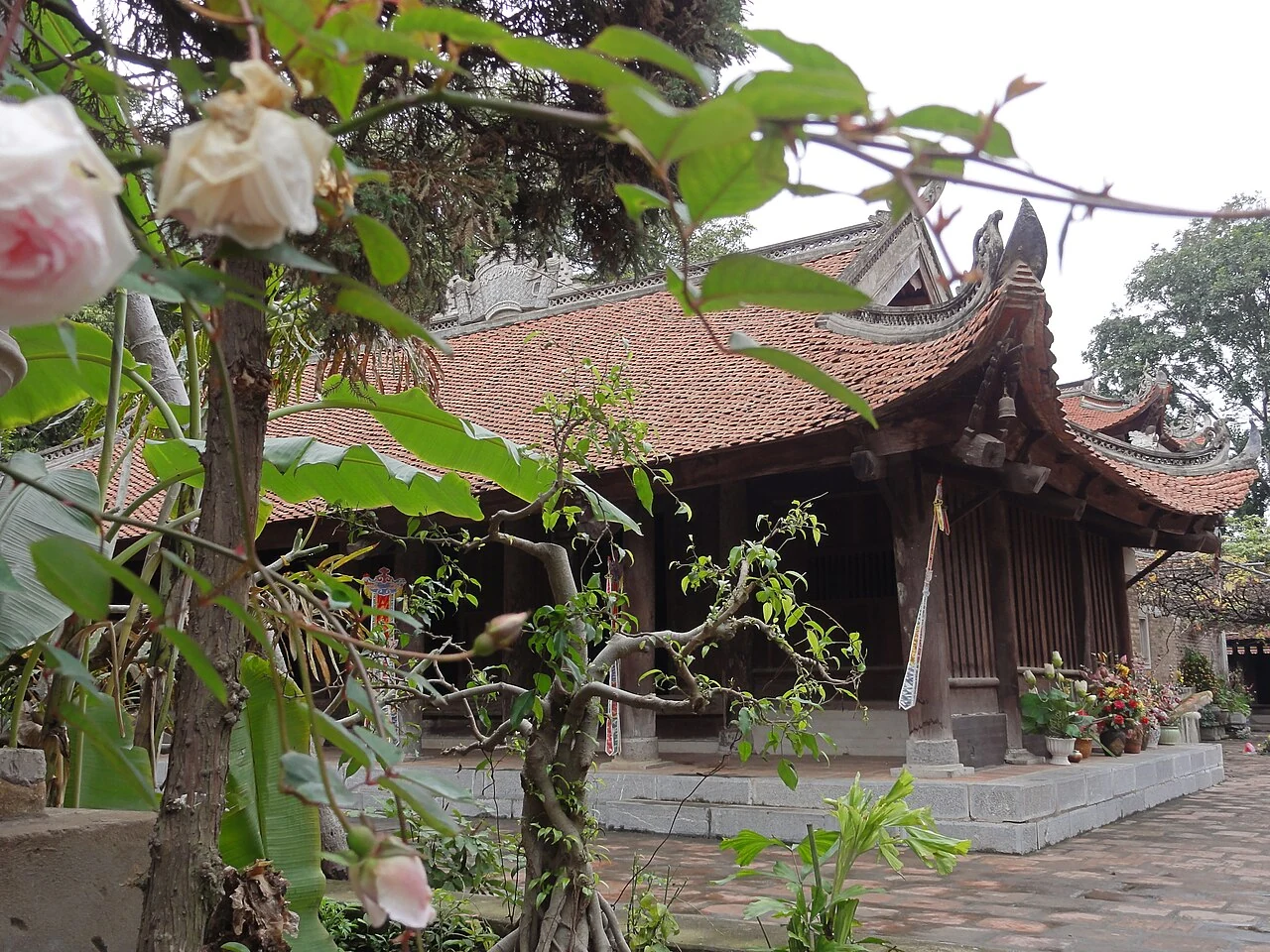
The stone foundation levels ascending the mountainside reflect the ancient layout. The pillar has a square base, round shaft and a pair of dragons in relief; scholars offer different interpretations of its function and former superstructure. The restored Three Jewels hall follows a Công (工)-shaped plan with a timber frame and tiled roofs; patriarch and Mother Goddess halls are related worship spaces.
Cultural value
The site is linked to the Lý dynasty, Imperial Consort Ỷ Lan and the Buddhist history of Kinh Bắc. Archaeological discoveries of foundations, terrace retaining structures and architectural components provide evidence for studying Lý-period Vietnamese temple planning and construction techniques.
Events & festivals
Tourism introductions give the temple festival as the 8th day of the ninth lunar month. Please check temple and local announcements for the year you plan to visit, as the scale of celebrations may vary.
References & photo sources
Information checked: 2026-10-24. Documentary photographs may differ from current conditions.
Photo 1. Dạm Temple buildings in a documentary photograph before the latest restoration.
Hoangvantoanajc · Original photo · CC BY-SA 3.0
Resized to a maximum long edge of 640 px and compressed as WebP, preserving the composition and watermark.
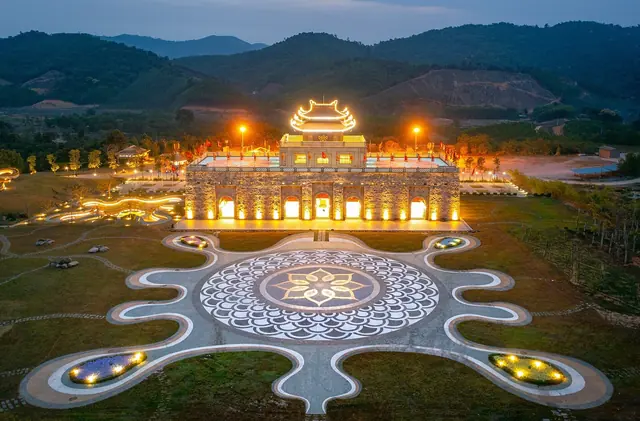
Photo 2. Dạm Temple's stone pillar.
Tác giả chưa được xác định tại trang nguồn Wikimedia Commons · Original photo · CC BY-SA 3.0
Resized to a maximum long edge of 640 px and compressed as WebP, preserving the composition and watermark.
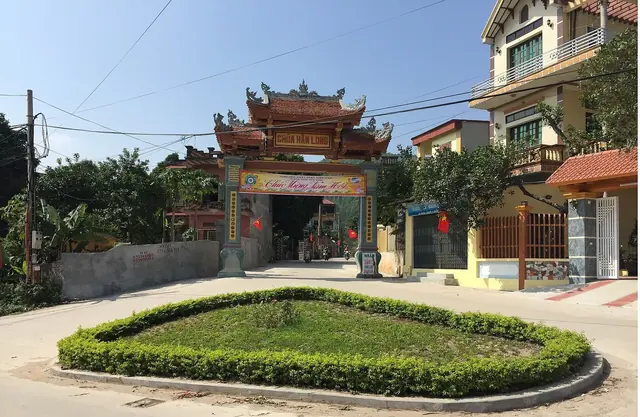
Photo 3. The stone stele at Dạm Temple.
Hoangvantoanajc · Original photo · CC BY-SA 3.0
Resized to a maximum long edge of 640 px and compressed as WebP, preserving the composition and watermark.
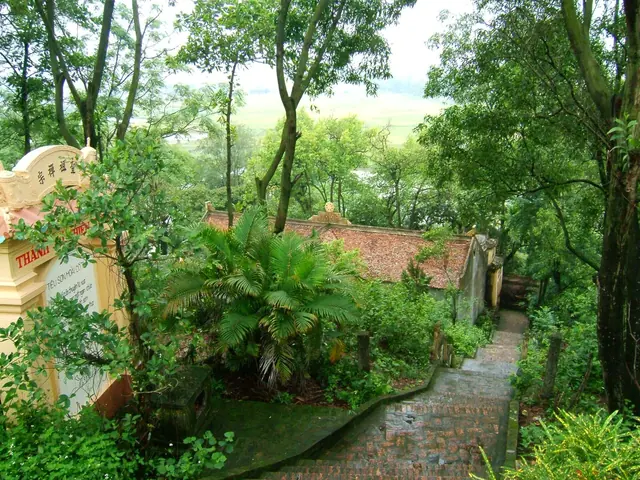
Photo 4. Remains of the tower base at Dạm Pagoda.
Hoangvantoanajc · Original photo · CC BY-SA 3.0
Resized to a maximum long edge of 640 px and compressed as WebP, preserving the composition and watermark.
Photo 5. Dragon carvings on Dạm Temple's stone pillar.
Hoangvantoanajc · Original photo · CC BY-SA 3.0
Resized to a maximum long edge of 640 px and compressed as WebP, preserving the composition and watermark.