 Phật Giáo VNS
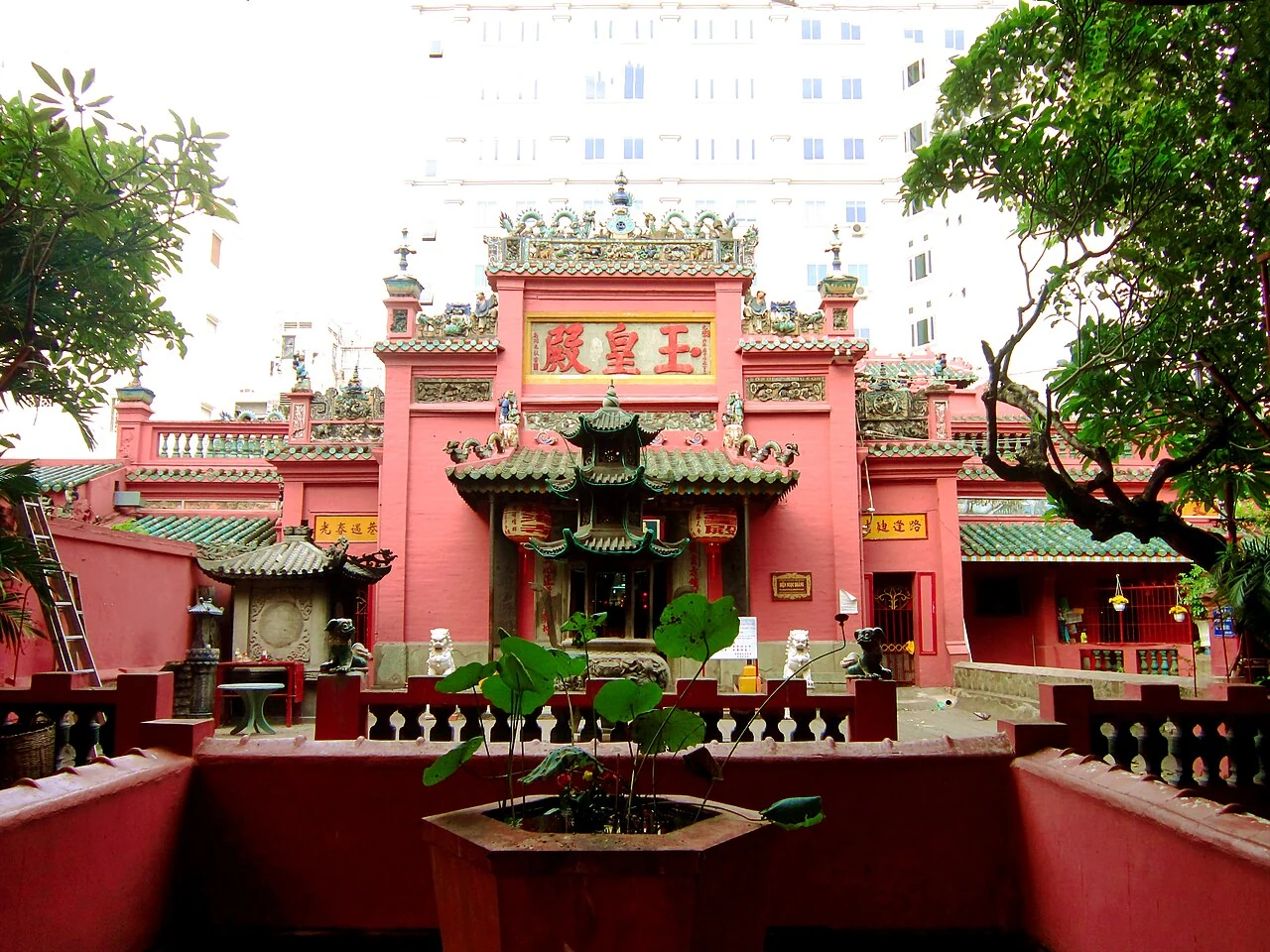
Jade Emperor Temple (Chùa Ngọc Hoàng)
Phước Hải Temple
TP. Hồ Chí Minh
Swipe or use the arrows to browse photos. Tap a photo to view it in full.
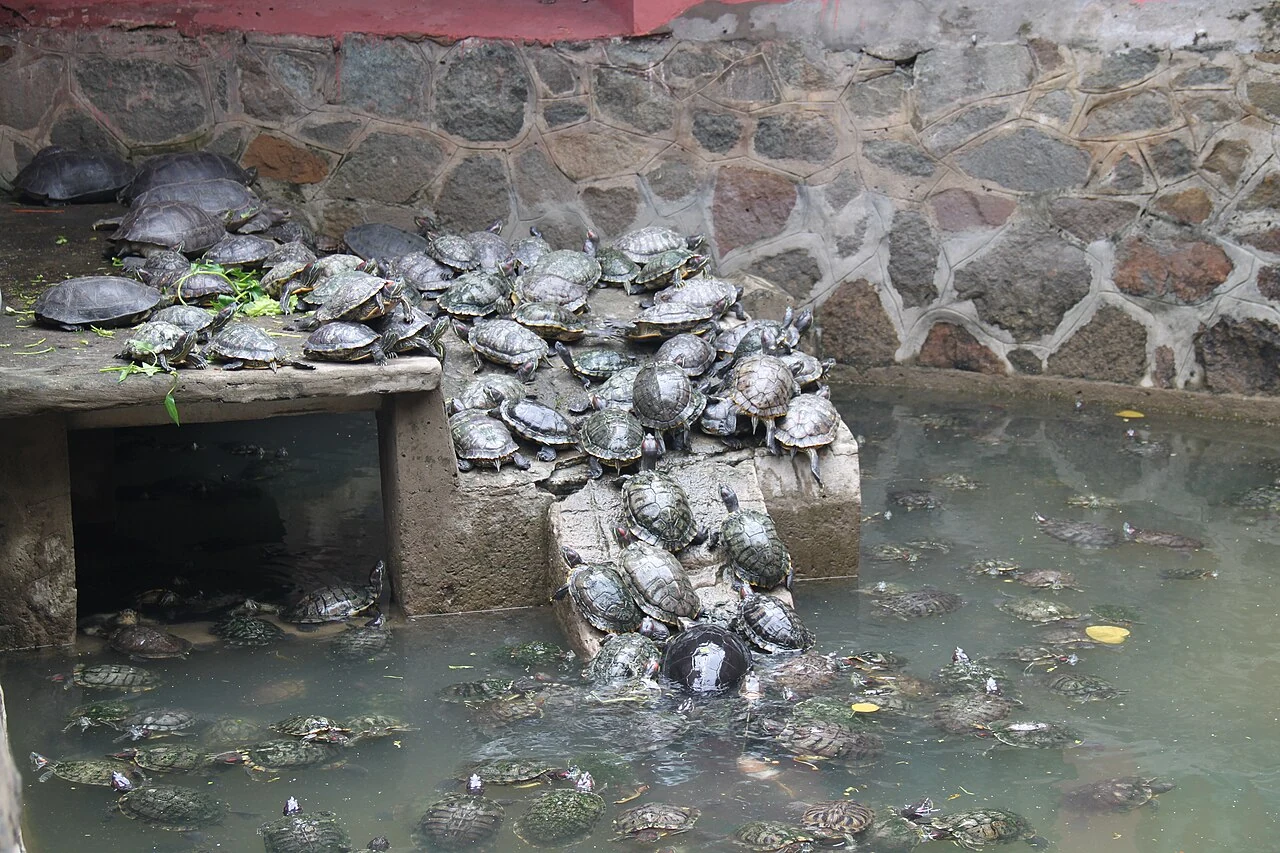
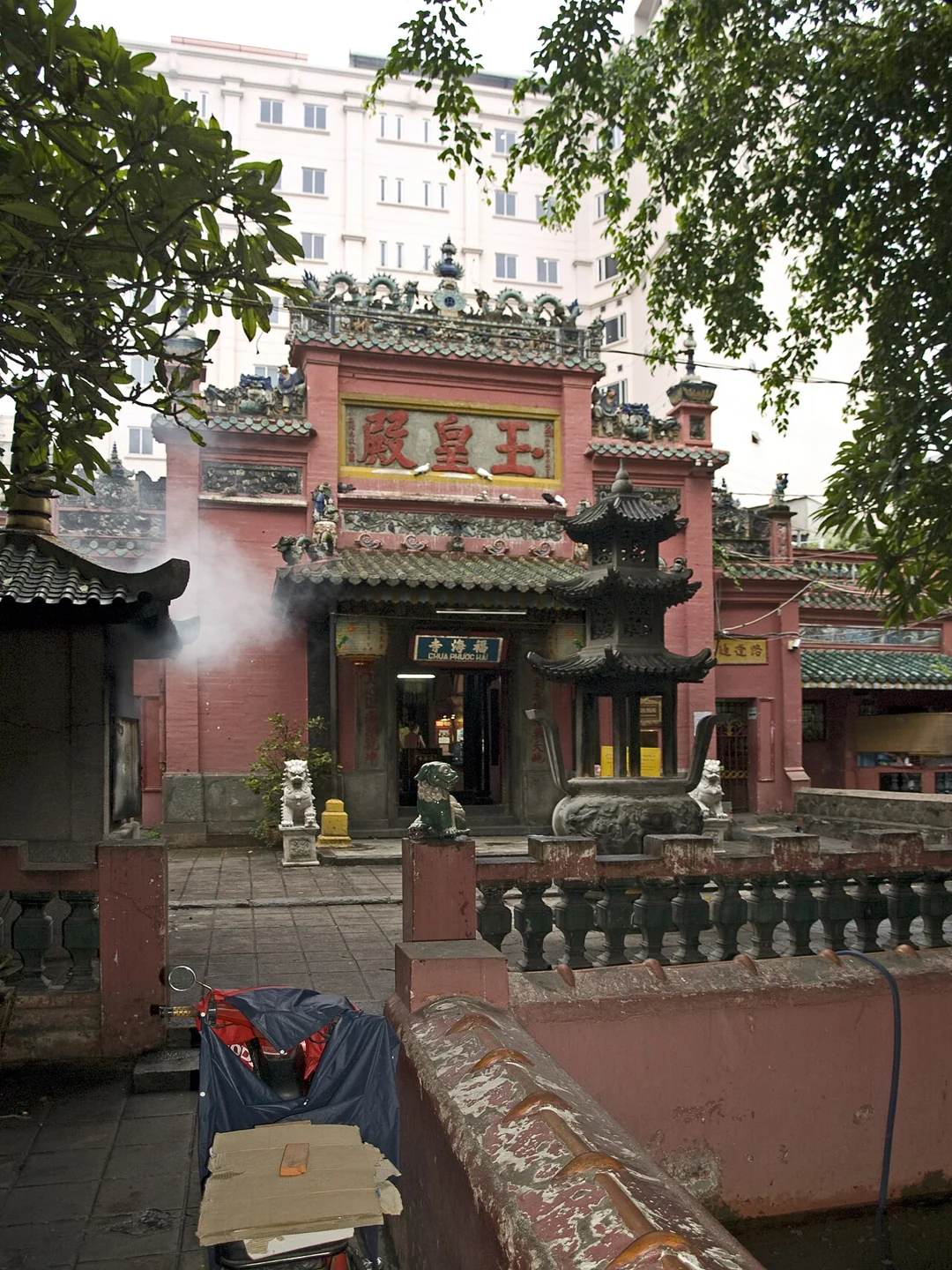
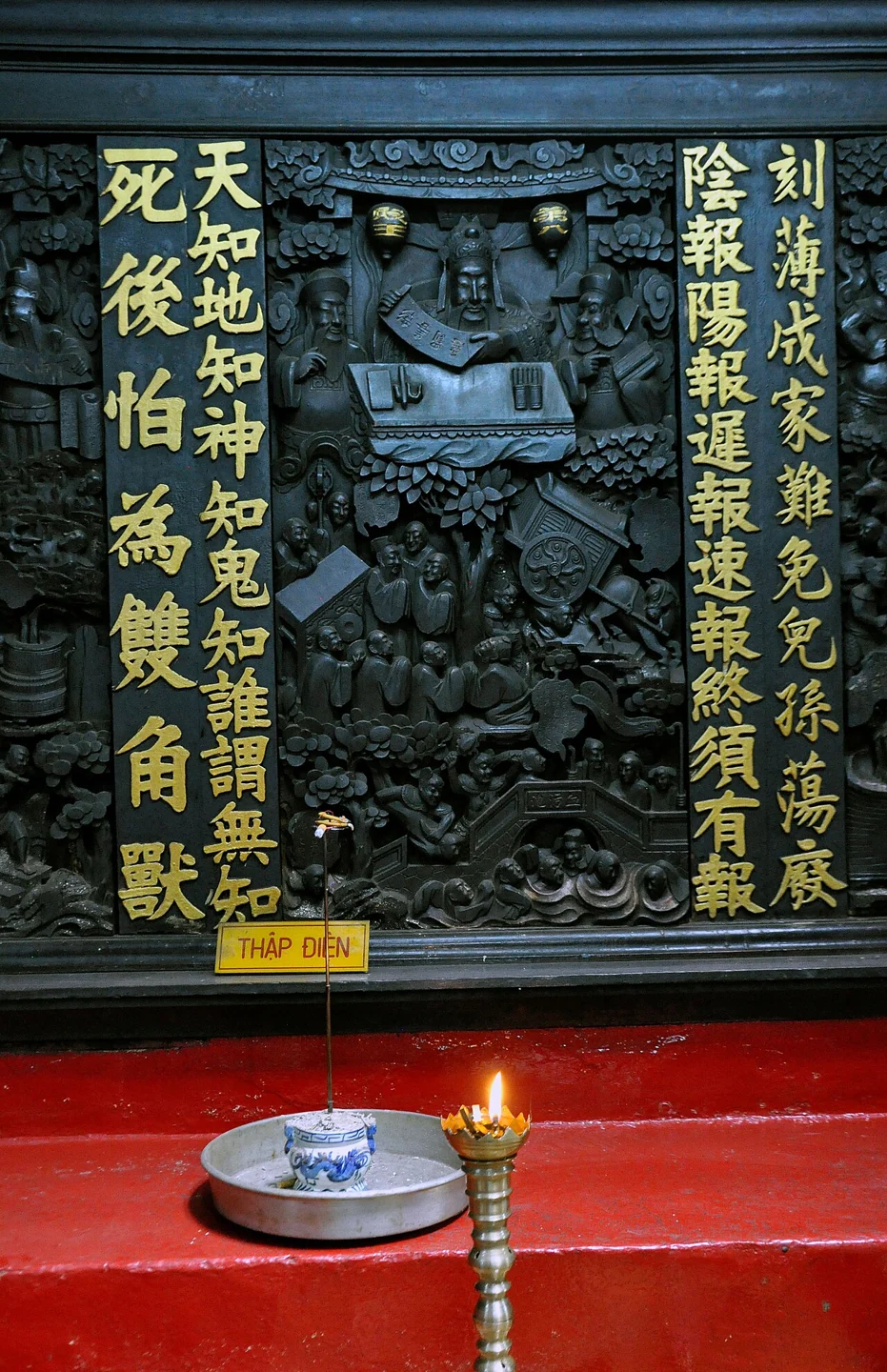
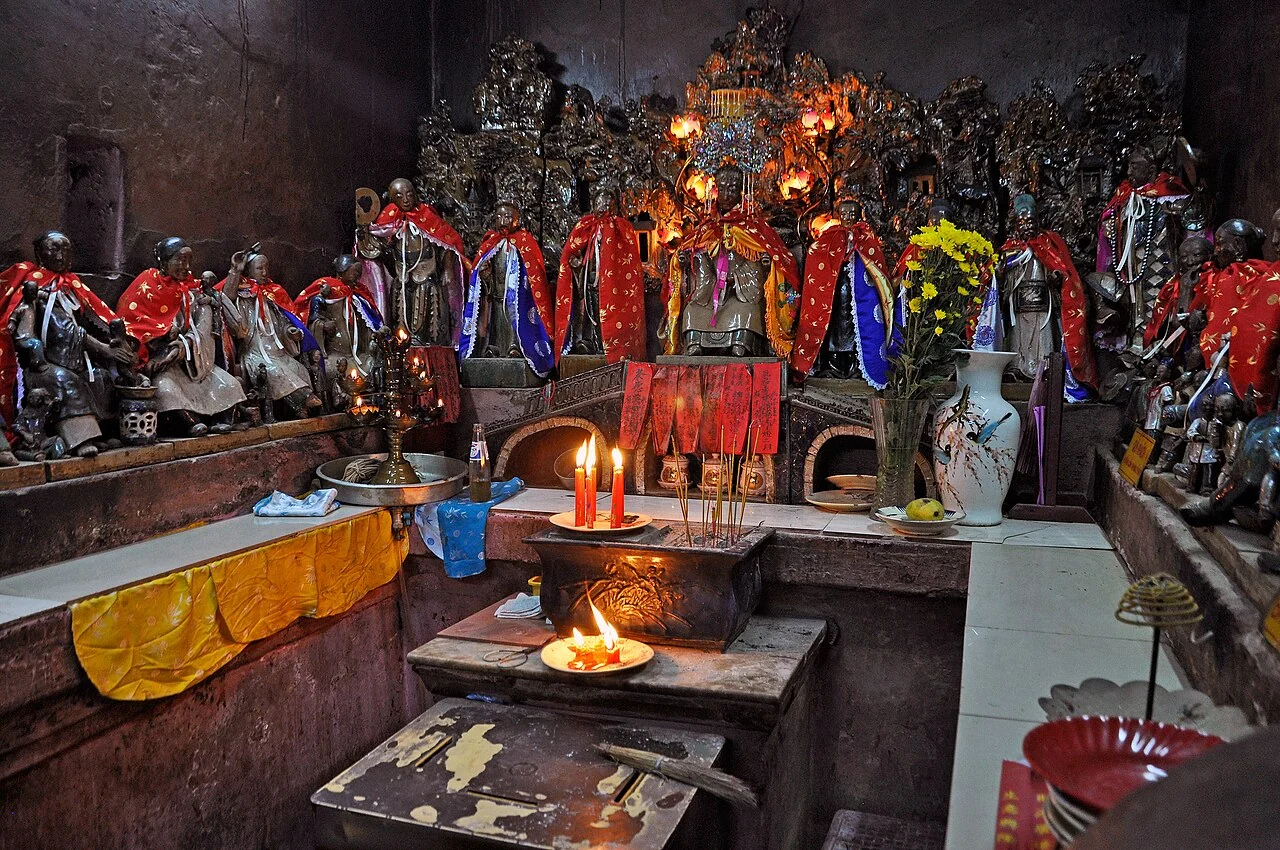
Documentary photo of Jade Emperor Temple (Chùa Ngọc Hoàng). The surroundings may have changed since the photo was taken.
About
Ngọc Hoàng is a notable religious building of the Chinese community in Sài Gòn. Its shrines bring together several layers of belief; it later adopted the name Phước Hải Temple and became part of the Buddhist community.
Visitor information
- Founded
- Built during 1892–1900
- Visiting hours
- Indicative hours: 07:00–17:30; on the 1st and 15th days of the lunar month: 05:00–19:00 (Hồ Chí Minh City tourism portal).
- Fees
- Check the notices at the destination; the current fee schedule has not been confirmed.
- Address
- 73 Mai Thị Lựu, phường Tân Định, TP. Hồ Chí Minh
The halls are fairly confined; avoid blocking passageways and do not use flash. The hours below come from the Hồ Chí Minh City tourism portal and may be adjusted for ceremonies.
Highlights
- Historic sacred images and reliefs
- Brickwork and concave-convex roof tiles
- The religious heritage of the Chinese community
History and origins
Hồ Chí Minh City tourism materials record construction by Lưu Minh during 1892–1900. The site became associated with the Buddhist Sangha in 1982 and was renamed Phước Hải Temple in 1984. It was designated a national heritage site in 1994.
Architecture & surroundings
Statues, carved screens and reliefs create densely layered shrine interiors. Concave-convex roof tiles and ceramic decoration reflect Chinese architectural features.
Roof tiles, decorative ceramics, carved wood panels and statues give the halls their distinctive character. Different rooms serve different forms of worship; not all images belong to the same system of deities.
Cultural value
Shrines to the Jade Emperor, Nam Tào, Bắc Đẩu and folk figures reflect interaction between religious traditions. Prayer customs are expressions of belief, not guarantees of health or family outcomes.
The site reflects the interweaving of beliefs within the Chinese community of southern Vietnam. Sacred images, ritual objects and carvings convey ideas about blessings, filial respect and conduct in everyday life.
Events & festivals
Jade Emperor’s celebration
9th day of the first lunar month
The Jade Emperor’s celebration falls on the 9th day of the first lunar month. The opening days of the year can be crowded; follow guidance to prevent congestion in the shrines.
References & photo sources
Information checked: 2026-10-20. Documentary photographs may differ from current conditions.
Photo 1. Documentary photo of Jade Emperor Temple (Chùa Ngọc Hoàng). The surroundings may have changed since the photo was taken.
Bùi Thụy Đào Nguyên · Original photo · CC BY-SA 3.0
Resized and converted to WebP without altering the image content.
Photo 2. Documentary photo of Jade Emperor Temple (Chùa Ngọc Hoàng). The surroundings may have changed since the photo was taken.
Gary Todd from Xinzheng, China · Original photo · CC0
Resized and converted to WebP without altering the image content.
Photo 3. Documentary photo of Jade Emperor Temple (Chùa Ngọc Hoàng). The surroundings may have changed since the photo was taken.
Ymblanter · Original photo · CC BY-SA 4.0
Resized and converted to WebP, preserving the original composition.
Photo 4. Documentary photo of Jade Emperor Temple (Chùa Ngọc Hoàng). The surroundings may have changed since the photo was taken.
P. Hughes · Original photo · CC BY 4.0
Resized and converted to WebP, preserving the original composition.
Photo 5. Documentary photo of Jade Emperor Temple (Chùa Ngọc Hoàng). The surroundings may have changed since the photo was taken.
P. Hughes · Original photo · CC BY 4.0
Resized and converted to WebP, preserving the original composition.