 Phật Giáo VNS
Bái Đính Temple
The old temple and the new complex
Ninh Bình
Swipe or use the arrows to browse photos. Tap a photo to view it in full.
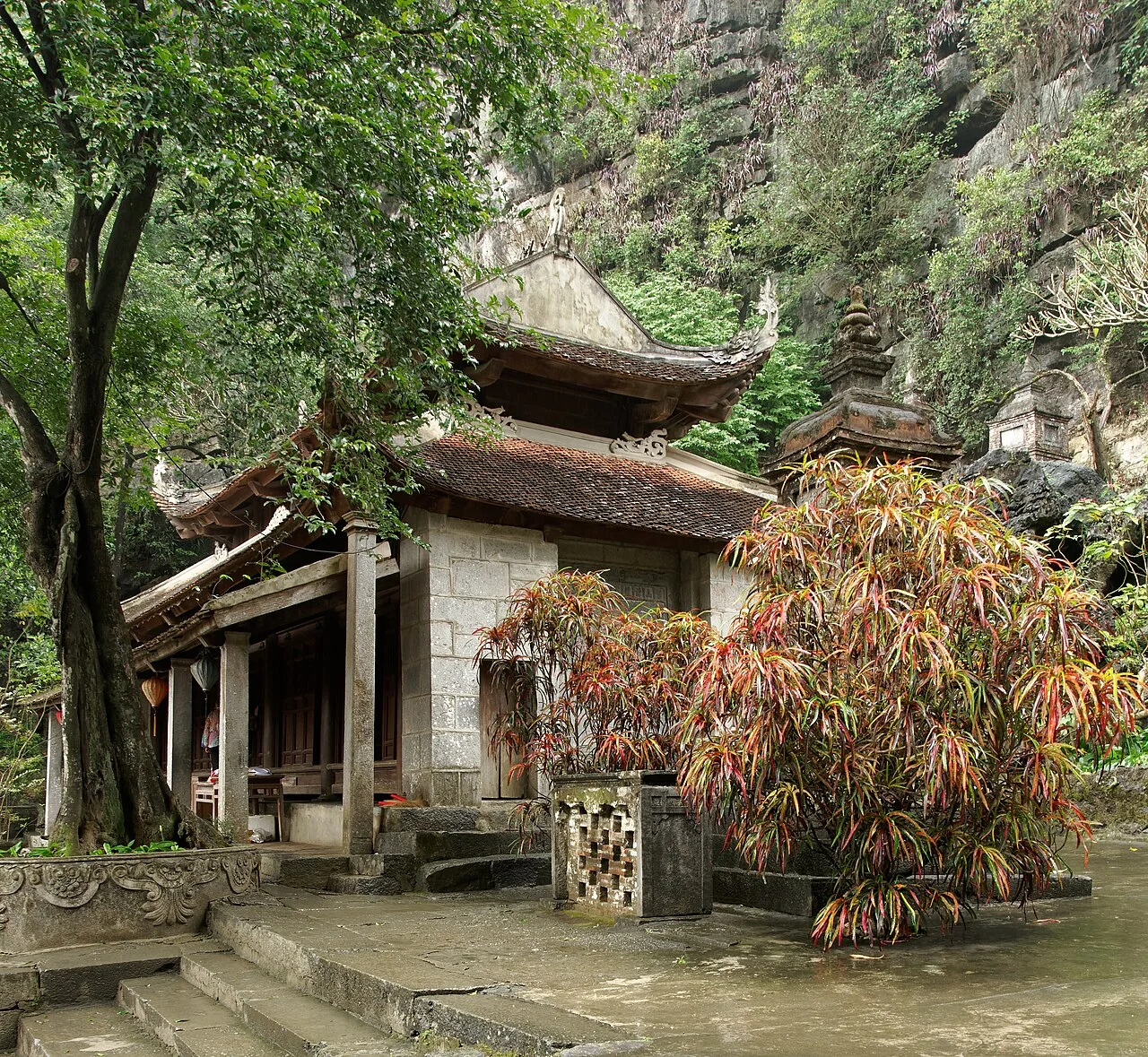
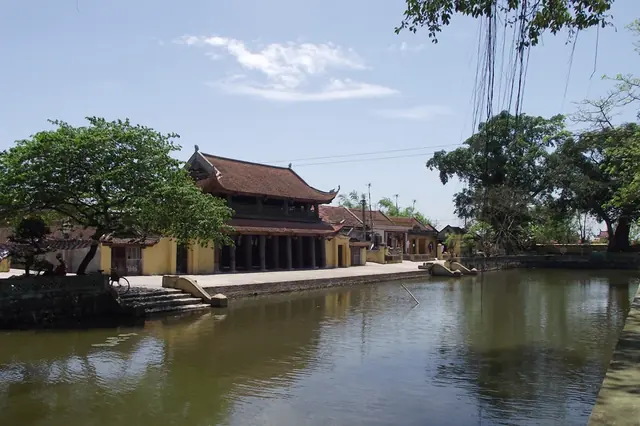
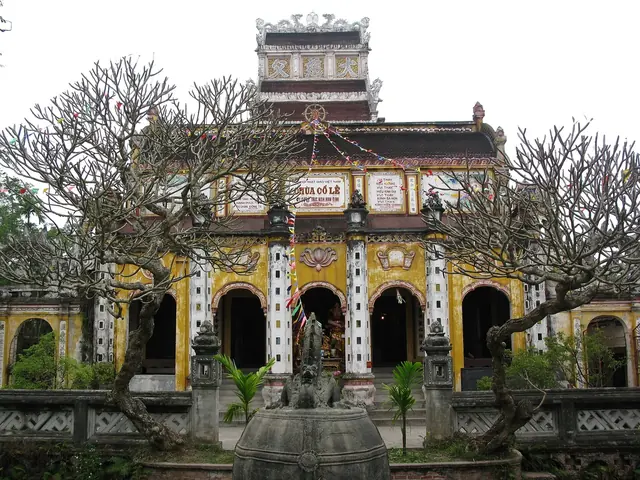
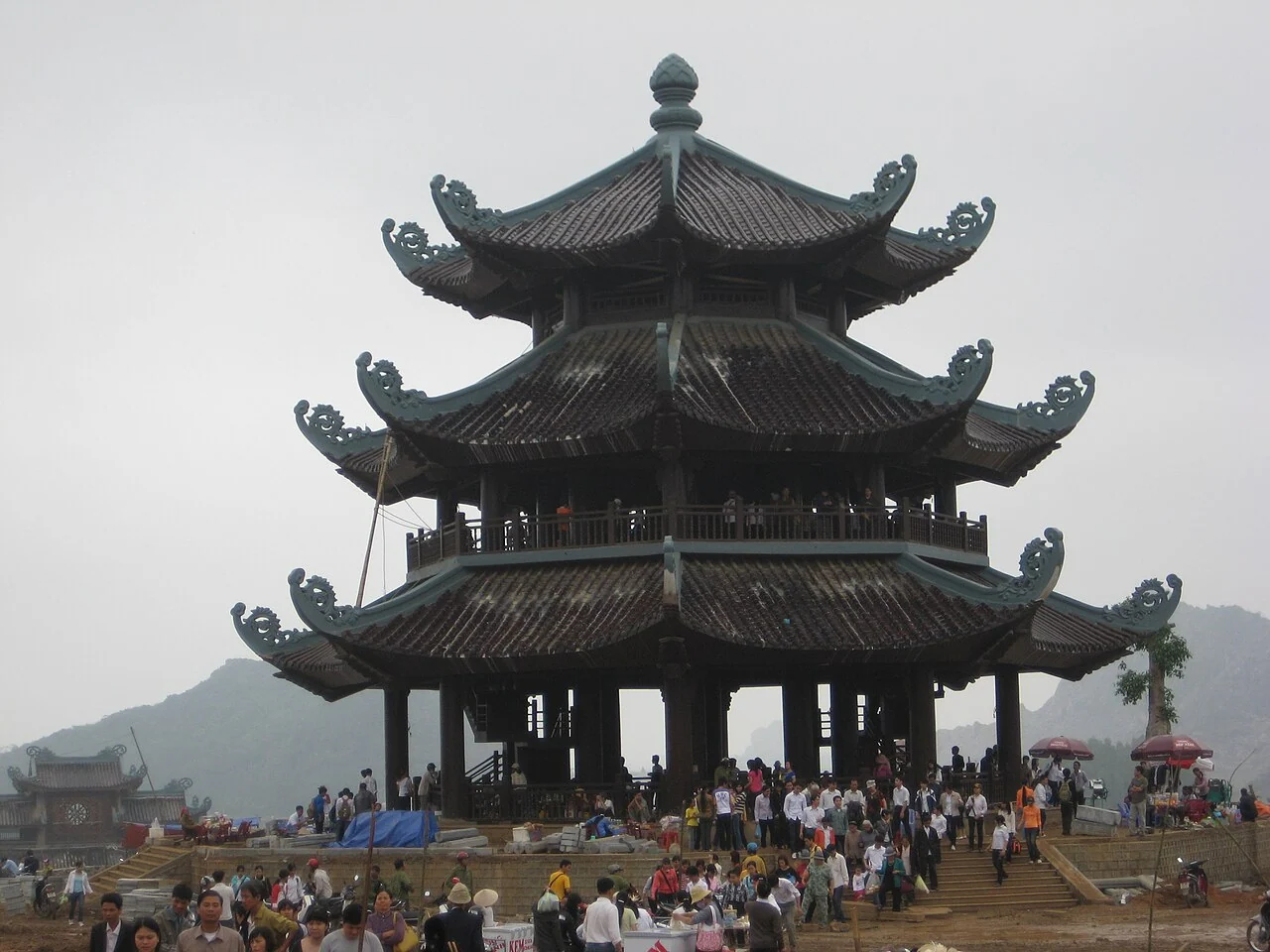
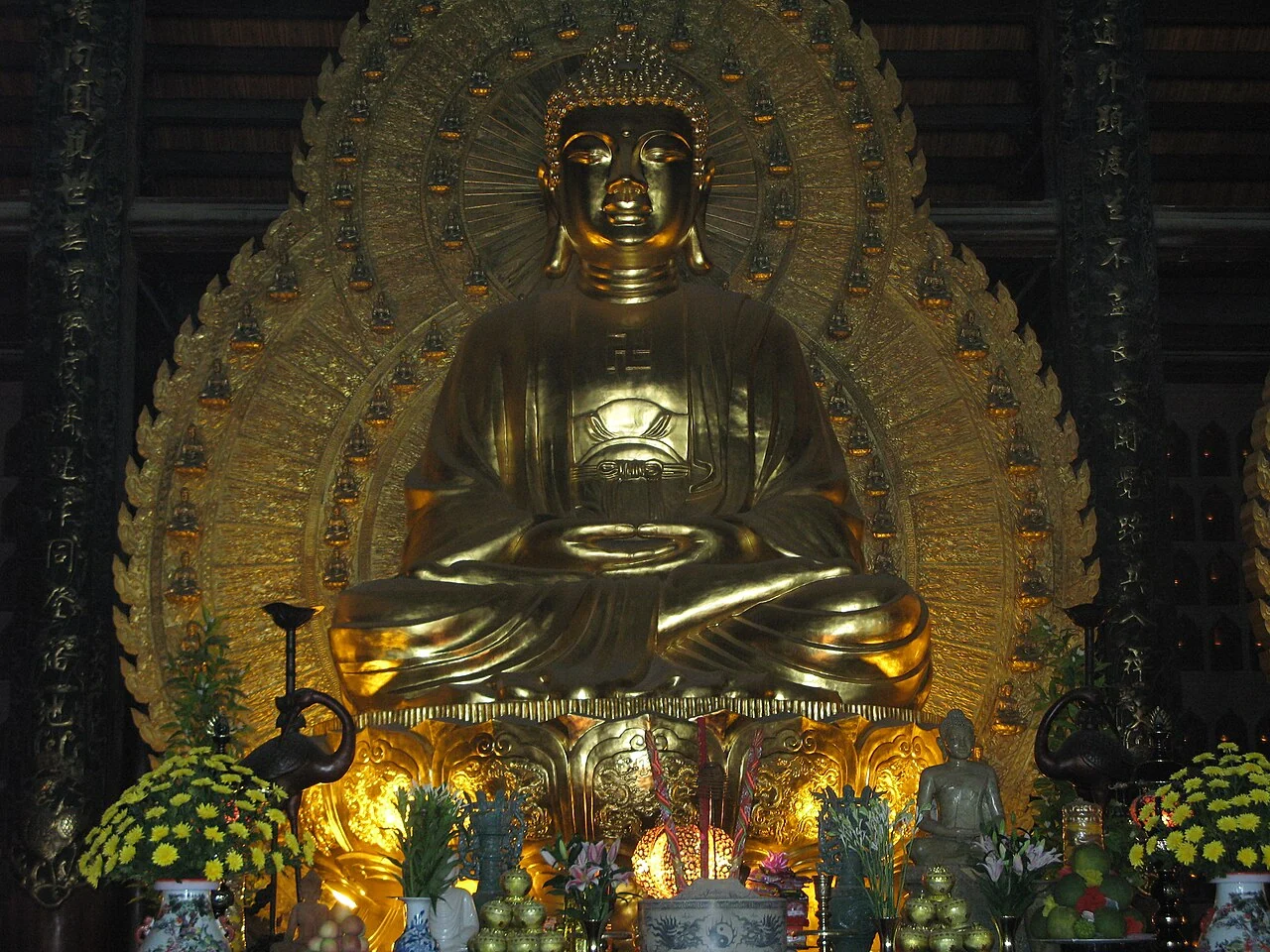
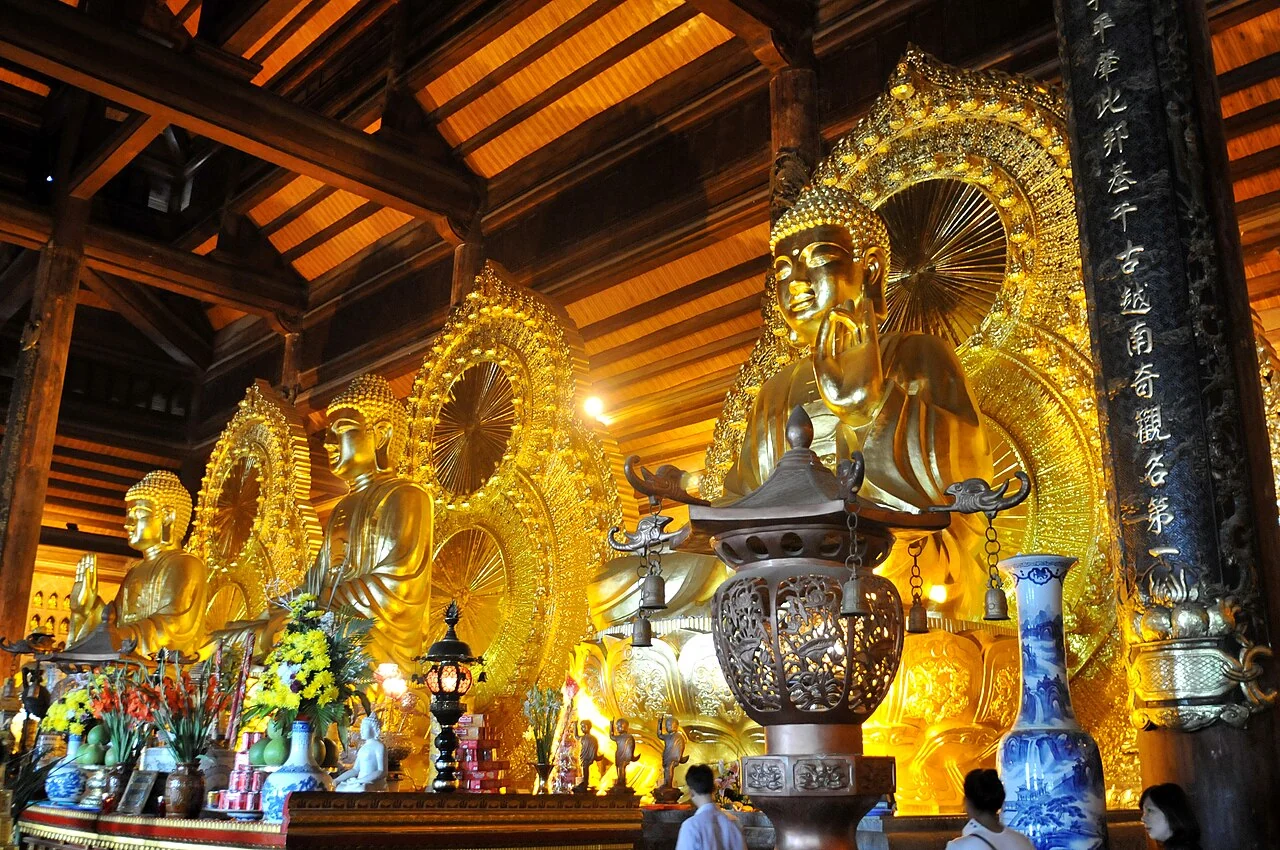
Documentary photo of Bái Đính Temple. The surroundings may have changed since the photo was taken.
About
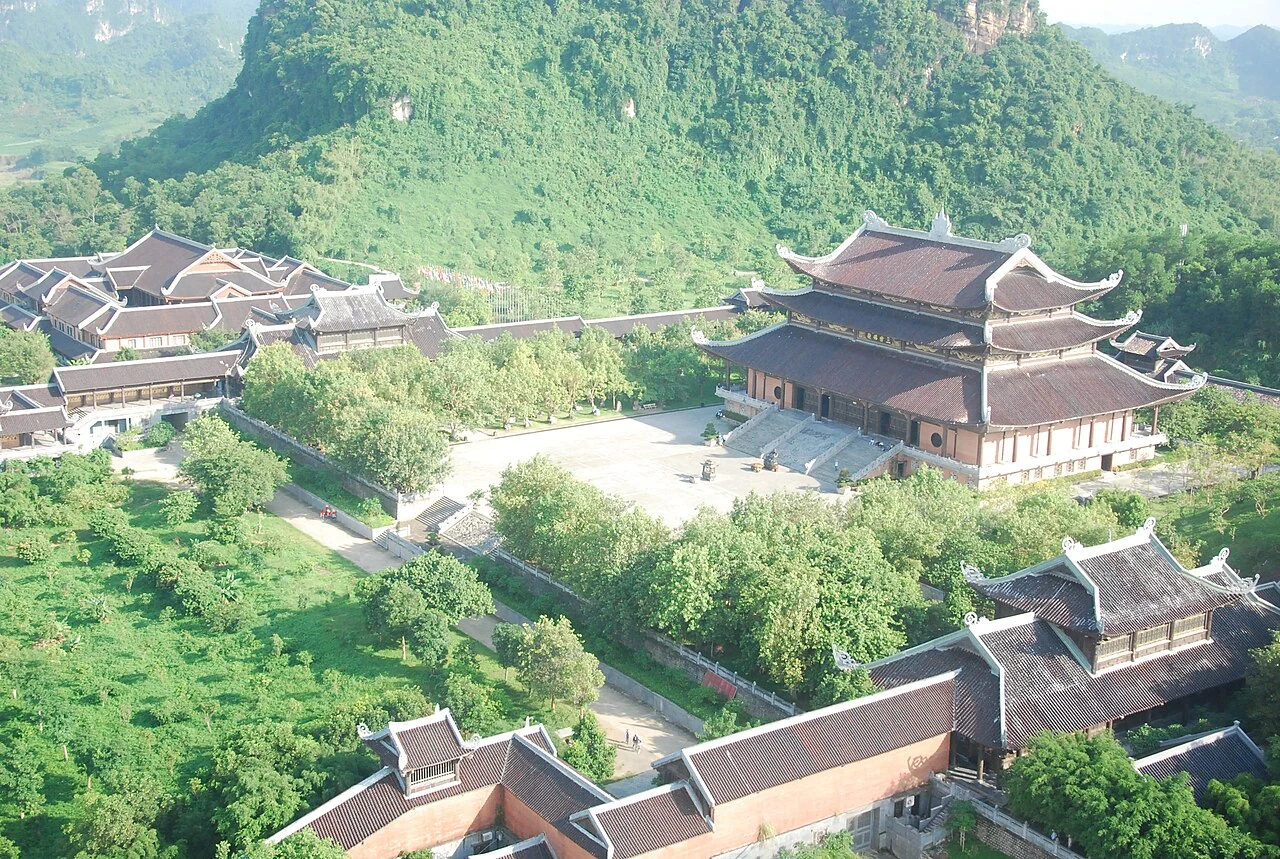
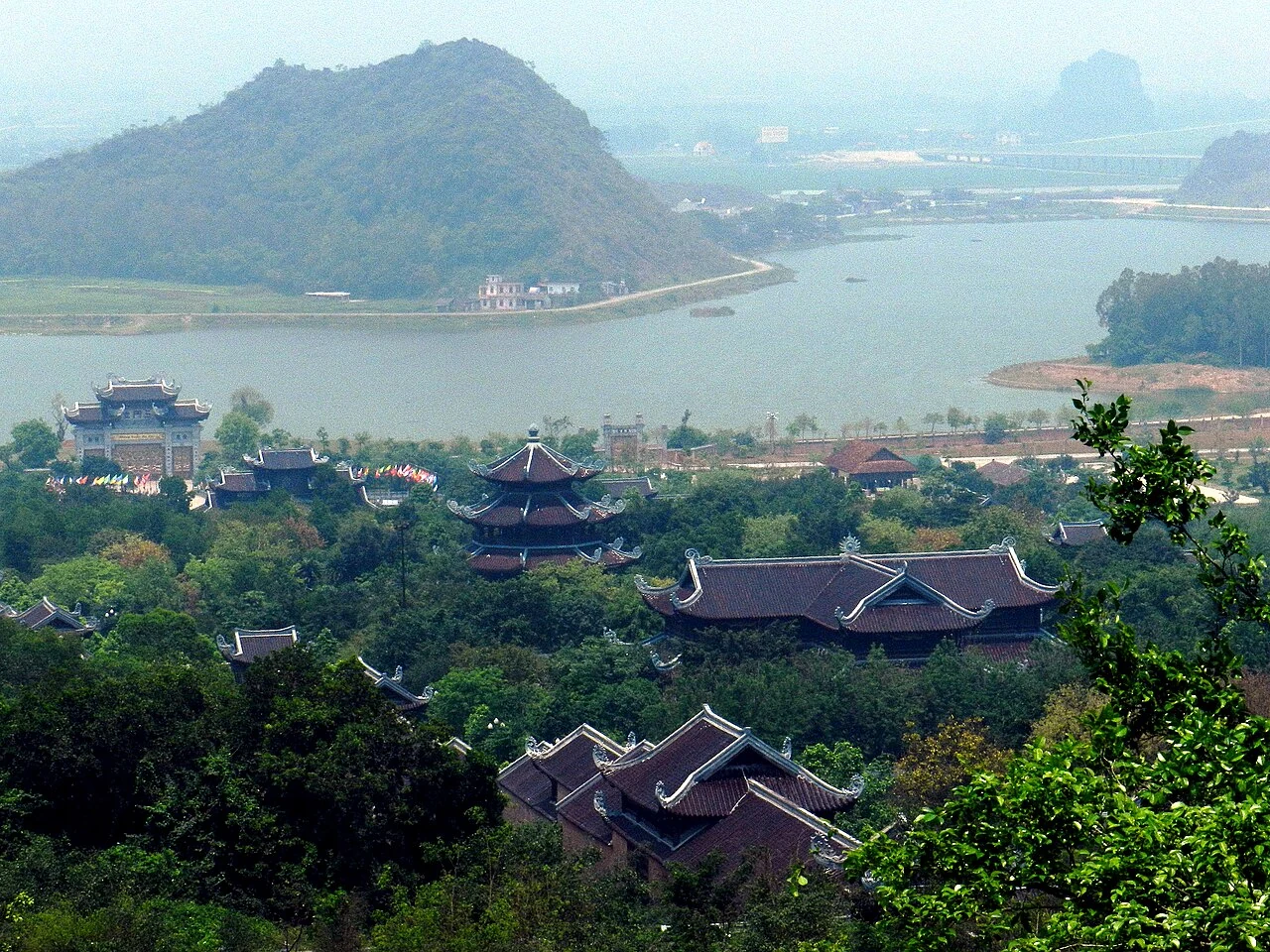
Bái Đính includes an old temple on the mountain and a new complex below. These two areas differ in age, scale and visiting routes. The old temple is associated with Zen master Nguyễn Minh Không, while the newer complex has large worship halls and corridors.
Visitor information
- Founded
- Old temple: Lý dynasty; new complex: 21st century
- Visiting hours
- Fixed opening hours have not been confirmed. Please ask the temple.
- Fees
- Check the notices at the destination; the current fee schedule has not been confirmed.
- Address
- Phường Tây Hoa Lư, Ninh Bình
The grounds are extensive; choose the old-temple route or new-complex route in advance. Many stone steps lead to the old temple. Electric shuttles, tower visits and other services may require separate tickets; check prices before using them.
Highlights
- Hang Sáng and Động Tối in the old temple area
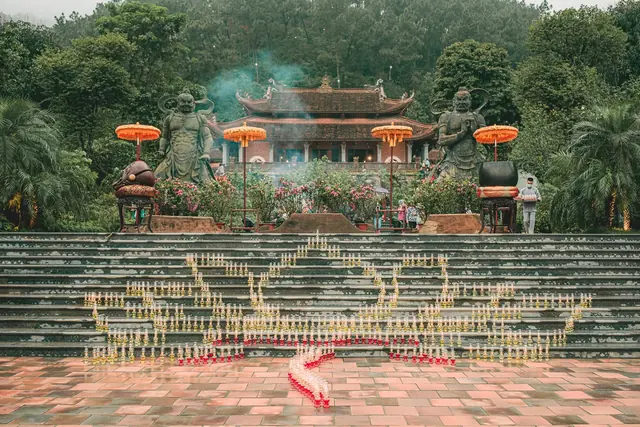
- The Three Buddhas Hall and corridors of the new complex
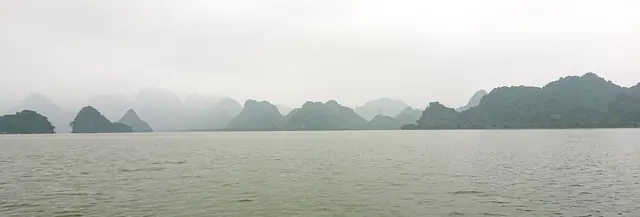
- Limestone scenery and Giếng Ngọc well
History and origins
Ninh Bình tourism materials date the old temple to the Lý dynasty and associate it with Nguyễn Minh Không. Many stories about gathering medicinal herbs and religious practice belong to local tradition. The new complex was built in modern times; its construction dates should not be applied to the old temple.
Architecture & surroundings
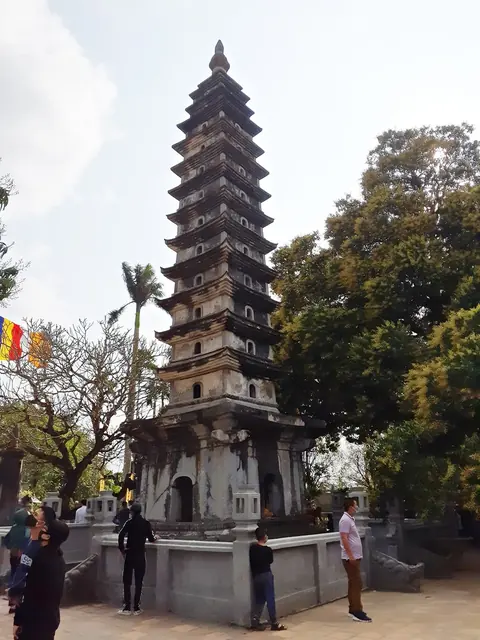
The old temple makes use of mountain caves. The new complex arranges a three-entrance gateway, worship halls, towers and corridors along major axes; tiled roofs and timber details evoke traditional architecture.
The old temple route includes stone steps and caves: the light cave houses Buddhist worship, while the dark cave is dedicated to Mother Goddess worship. Courtyards, corridors and large halls shape the newer area; choose a route suited to your walking ability.
Cultural value
The site brings together Buddhist heritage, devotion to Saint Nguyễn and a limestone landscape. Visiting the old temple helps reveal the historical layers behind the modern complex.
The two areas represent different phases of development: the old temple preserves memories of Zen master Nguyễn Minh Không, while the new complex expands the pilgrimage setting. This distinction helps visitors understand the date of each structure correctly.
Events & festivals
Bái Đính Festival
6th day of the first lunar month · opening
The Bái Đính Festival usually opens on the 6th day of the first lunar month and continues during spring. Rituals include palanquin processions and incense offerings; consult the organisers’ announcements for each year’s programme.
References & photo sources
Information checked: 2026-10-20. Documentary photographs may differ from current conditions.
Photo 1. Documentary photo of Bái Đính Temple. The surroundings may have changed since the photo was taken.
Kien1980v (thảo luận) 01:40, ngày 3 tháng 9 năm 2017 (UTC) · Original photo · Public domain
Resized and converted to WebP without altering the image content.
Photo 2. Documentary photo of Bái Đính Temple. The surroundings may have changed since the photo was taken.
Guerinf · Original photo · CC BY-SA 4.0
Resized and converted to WebP without altering the image content.
Photo 3. Documentary photo of Bái Đính Temple. The surroundings may have changed since the photo was taken.
Kien1980v at Vietnamese Wikipedia · Original photo · Public domain
Resized and converted to WebP, preserving the original composition.
Photo 4. Documentary photo of Bái Đính Temple. The surroundings may have changed since the photo was taken.
Bùi Thế Tâm · Original photo · CC BY-SA 3.0
Resized and converted to WebP, preserving the original composition.
Photo 5. Documentary photo of Bái Đính Temple. The surroundings may have changed since the photo was taken.
VŨ HÙNG · Original photo · CC BY-SA 3.0
Resized and converted to WebP, preserving the original composition.